
Collectibles
Every hidden Kodama, Six Jizo statue, Samurai and Ninja Lock, Chijiko, Scampuss and hot spring — locations, rewards and 100% completion.
Introduction
The Collectibles hub is where trophy hunters and completionists live. Nioh 3 hides a dense layer of collectibles inside every era: Kodama spirits that raise your Elixir cap and grant shrine blessings, Six Jizo statues that unlock permanent blessings, Samurai and Ninja Locks that convert into Martial Arts and Ninjutsu skill points, Chijiko balloons that unlock purchasable weapon skills, Scampuss cats that guide you to treasure, and hot springs that serve as hidden healing stops. Our guides give region-by-region routes so you never walk past a collectible twice, plus the reward math so you know exactly what each item unlocks. The hub also covers achievement and trophy requirements, making it your checklist for 100% completion and the platinum trophy.
Collectible Types Quick Table
| Collectible | Where To Find | Reward | Starts |
|---|---|---|---|
| Kodama | Hidden corners, rooftops, behind breakable walls | +1 Elixir cap, shrine blessing points | Edo |
| Six Jizo | One per region, out-of-the-way statues | Permanent shrine blessings | Heian |
| Samurai Locks | High ledges, chests, quest rewards | Martial Arts skill points | Edo |
| Ninja Locks | Enemy cages, hidden routes | Ninjutsu skill points | Warring States |
| Chijiko | Spirit balloons floating in fields | Unlock purchasable weapon skills | Warring States |
| Hot Springs | Hidden healing stops | Full heal + rest bonus | Edo |
Collectible Field Guide
Kodama
The green spirits that secretly power your entire run.
Six Jizo Statues
One statue per region unlocks a permanent shrine blessing.
Locks (Samurai & Ninja)
Hidden exploration items that turn into skill points.
Chijiko
Spirit balloons that unlock purchasable weapon skills.
Hot Springs
Hidden rest stops that heal you and reset your rhythm.
Scampuss
The treasure-guiding cats that also help in combat.
Core Mechanics
Collectibles are gated by region and respawn rules. Kodama and Six Jizo are permanent — once rescued, they stay rescued for the whole save. Locks and Chijiko respawn on New Game Plus, so their routes are repeatable money in the skill economy. Hot springs are purely restorative. The trophy structure then turns location-hunting into a checklist: the platinum path requires every Kodama, every Six Jizo, every Lock, every Chijiko, and every hot spring across all eras. Our hub connects each collectible to its reward math — potion caps, blessing points, skill points — so you can prioritize what matters for your build instead of blindly collecting everything.
Advantages
Collectible guides are one of the most searched-and-clicked content types — 'Nioh 3 Kodama locations', 'Six Jizo locations' and 'how to find Scampuss' are high-volume long-tail queries. The guides are also highly actionable: a reader with a checklist can follow a route and tick off 100 percent without any strategy knowledge. Because Kodama and Jizo locations almost never change after launch, this content has the longest shelf life of any category on the wiki and compounds into a strong SEO asset. Location guides are also self-serve: a reader with a checklist can follow a route without any game knowledge, making the hub the fastest win-per-page on the site. Kodama and Jizo locations essentially never change after launch, so the content's shelf life is enormous, and every 'can I still get this after X' search we answer builds long-tail authority that transfers to the rest of the wiki.
Challenges
Location guides are brittle — a single wrong coordinate means a reader walks away frustrated, and the community is unforgiving about mislabeled Kodama. The reward numbers (potion caps, blessing counts) also shift with patches and DLC eras, which can silently invalidate older pages. Finally, 100-percent checklists are spoiler-adjacent for players who want to discover locations on their own, so we have to balance completeness against surprise. The biggest risk is stale coordinates — a single wrong Kodama location costs a reader a fruitless search and erodes trust. Reward numbers also shift as DLC adds new blessing tiers, and our 100% checklists can quietly promise a total that changed after a patch, so every route needs periodic re-verification rather than write-once-and-forget upkeep.
Frequently Asked Questions
How many Kodama are in Nioh 3?+
Are any collectibles missable?+
What do Six Jizo statues actually do?+
Do Scampuss cats do anything?+
Quick Tips
Turn the volume up while exploring — Kodama and hot springs both give audio cues (rustling and steam hissing) that lead you to them without consulting a guide every minute. The audio cues are consistent across all eras, so they are a reliable first-pass system for finding items without following a guide, saving your guide-reading for the genuinely hidden corpses and chests that offer no sound at all.
Do Kodama routes era-by-era before the region's final boss — the Elixir-cap increase and blessing points make the boss fight itself noticeably easier. The blessing points usually unlock a fourth blessing slot or an Amrita-gain tier that pays for itself in one farming session, so the collecting effort is returned to you as a stat bonus the moment you hit the next Shrine.
Prioritize Samurai and Ninja Locks in the era where you pick up a new weapon — the skill points they grant unlock that weapon's best Martial Arts immediately instead of after hours of grinding. Because Locks keep their points across respecs, spending them is never a 'waste' — the permanent skill-point economy means a Lock found today stays valuable even if you rebuild tomorrow, so grab every one you see in the era where you intend to master a new weapon.
Featured

Nioh 3 Collectibles Guide: Every Kodama and Scampuss
Nioh 3 collectibles guide maps every Kodama, Scampuss, and hot spring location. Use this checklist to find all hidden items and earn every regional reward.
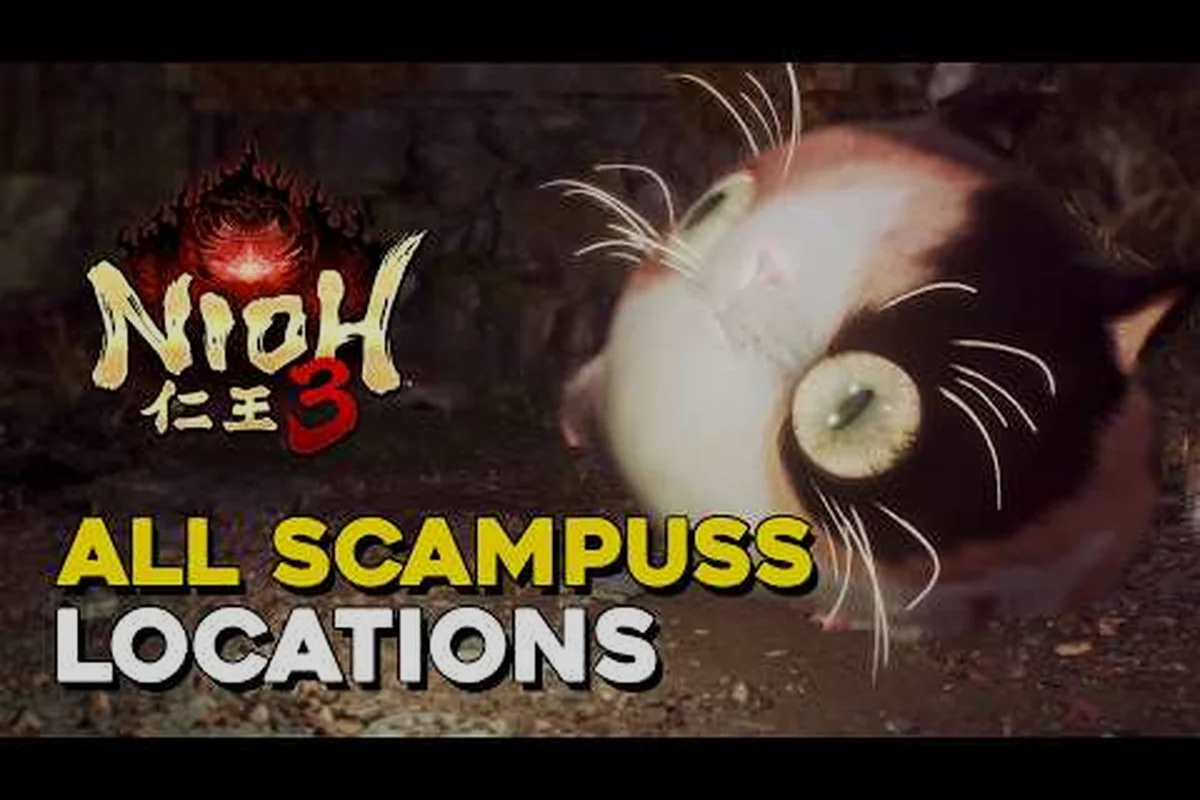
Nioh 3 Scampuss Locations: Hot Springs and Locks Guide
Nioh 3 Scampuss locations include every hidden cat, hot spring, and samurai lock. Find each one to unlock Kodama rewards and improve your shrine blessings.
Nioh 3 Sudama Locations: Every Merchant and Trading Spot
Nioh 3 Sudama locations help you trade junk items for rare crafting materials. Find every hidden merchant to complete your 100% collection and trophy runs.
All Articles

Nioh 3 Collection Checklist: Kodama, Chijiko, and Scampuss
Nioh 3 collection checklist tracks every Kodama, Chijiko, and Scampuss by region. Use this complete list to finish all collectible sets and unlock rewards.
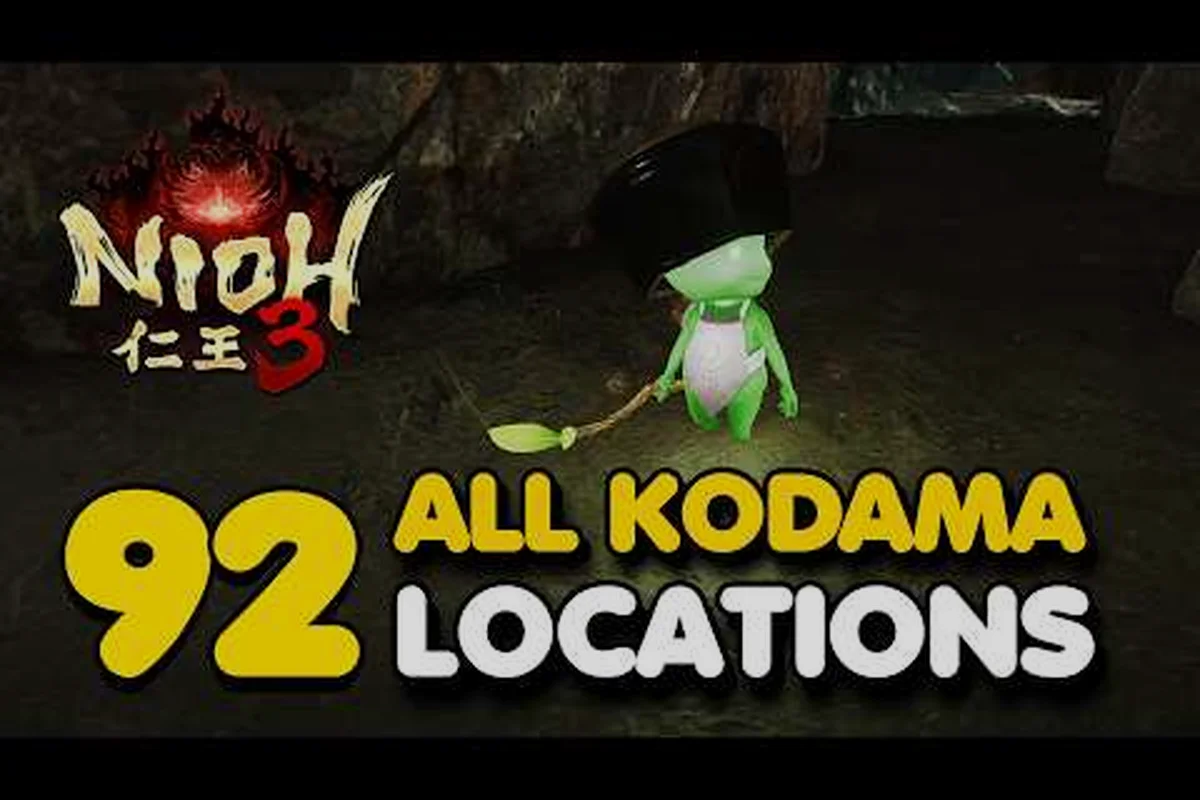
Nioh 3 Kodama Merit Guide: Six Jizo and Chijiko Rewards
Nioh 3 Kodama Merit unlocks Six Jizo blessings and Chijiko rewards for shrine donations. Learn how to earn merit and spend it on permanent upgrades.

Nioh 3 Achievements Guide: Full Trophy List and Unlocks
Nioh 3 achievements guide lists every trophy and hidden unlock requirement. Plan your playthrough to earn the platinum without missing a single collectible.
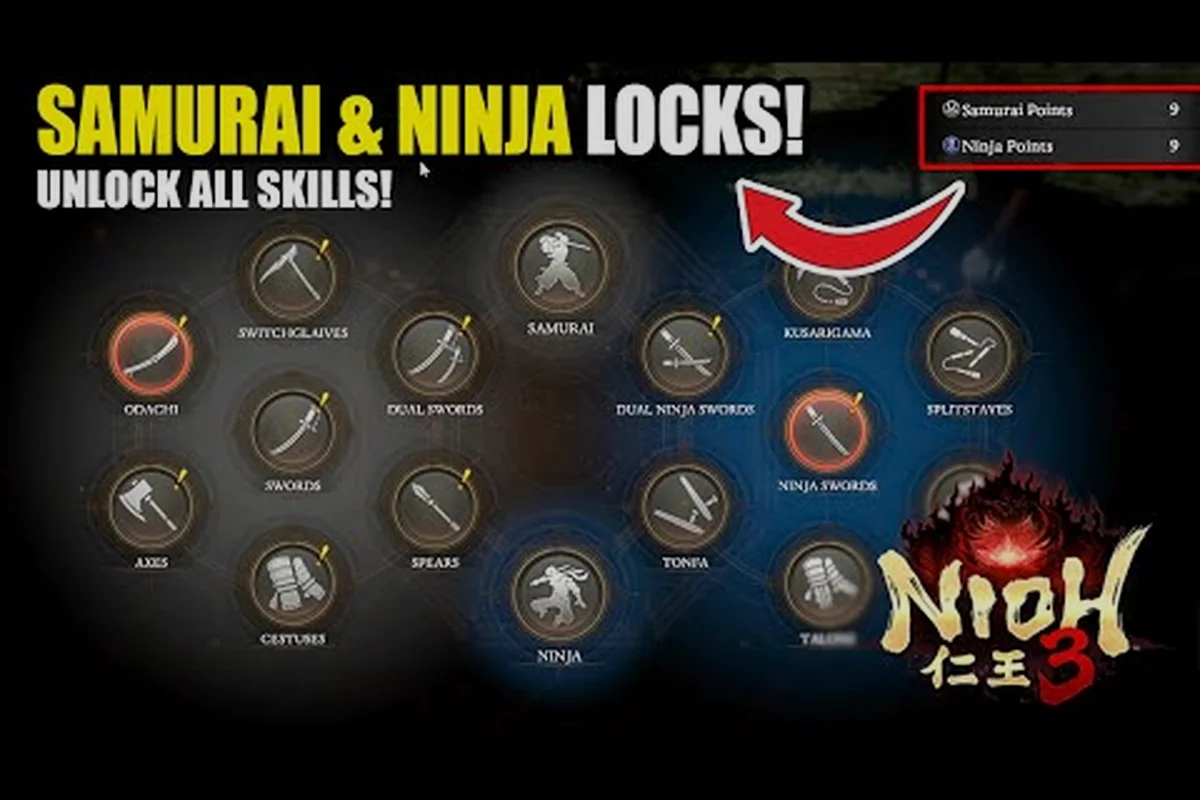
Nioh 3 All Ninja Locks: Hidden Chests and Treasure Spots
Nioh 3 all Ninja locks guide reveals every hidden chest and guard corpse location. Collect these valuables to boost your skill point earnings and gear.