
Combat
Master Ki Pulse, Flux, stances, Deflect and Evade — the stamina-driven combat loop, Yokai Pools, Life Corrosion and status effects that define Nioh 3.
Introduction
Combat in Nioh 3 runs on stamina — Ki. Attack and dodge drain Ki, blocking drains it faster, and an empty Ki bar leaves you staggered and open to grapples. The combat guides here explain how to keep the pressure on: Ki Pulse to recover spent stamina and clear Yokai Pools, stance switching to chain different movesets, Deflect and Evade as your two defensive answers, and the deeper systems — Flux, Life Corrosion, elemental status effects and guardian spirits — that separate veterans from newcomers. Every mechanic is covered with practical timing windows and the exact inputs you need, so you can take what you learn straight into the Crucible.
Combat Core Mechanics Table
| Mechanic | Input / Trigger | What It Does |
|---|---|---|
| Ki Pulse | R1 / RB at blue glow | Recovers spent stamina, clears Yokai Pools. |
| Flux 1 / 2 | Stance switch during Ki Pulse | Refunds extra Ki on top of the pulse. |
| Deflect | Samurai parry timing | Perfect-parry that opens enemies to final blows. |
| Evade | Ninja timed dodge | Agile perfect-dodge that avoids damage and counters. |
| Yokai Pool | Enemy attack residue | Debuffs your Ki recovery until purged by Ki Pulse or Ninja Mist. |
| Life Corrosion | Inside Crucibles | Slowly shrinks your max HP until you leave or purify. |
Combat Toolkit
Ki Pulse
The core of every Nioh fight — pulse at the blue glow to get your stamina back.
Stances & Flux
Low, Mid and High change your moveset, damage and stamina cost on the fly.
Deflect & Evade
Your two defensive answers — parry as Samurai, dodge as Ninja, master both.
Status Effects
Fire, Water, Lightning and the confusion state reward elemental builds and punish resist-neglect.
Guardian Spirits
Your summonable trump card — spirit gauge, active ability and passive bonuses.
Life Corrosion
The Crucible-only debuff that turns max HP into a ticking clock.
Core Mechanics
The combat loop is: attack until your Ki empties, Ki Pulse to recover, clear Yokai Pools with the same pulse, and punish the enemy's Ki-drain with combo extensions. Flux deepens the loop by letting you stance-dance mid-combo, which is where skill expression lives. Deflect and Evade add a defensive rhythm on top — every boss string has tells, and each one needs the right response: block, dodge or parry. Status effects and guardian spirits then turbocharge damage: stack elements to trigger Confusion, summon your guardian spirit for a burst, and manage Life Corrosion in Crucibles so your max HP never shrinks out of reach.
Advantages
Mastering combat is the single biggest power spike in Nioh 3. You can clear content underleveled if you Ki Pulse and Flux well, while a player with perfect gear who ignores stamina fundamentals will die constantly. That makes combat guides evergreen, high-value content: they teach transferable skills rather than patchable numbers. The depth also rewards us — repeated timing guides, stance cheat sheets and status math stay relevant for the game's entire life and help rank for long-tail search terms like 'Nioh 3 Ki Pulse explained' and 'Nioh 3 Flux guide'. Combat guides also translate directly into player skill, which builds trust: a reader who improves their Deflect timing after reading here is far more likely to return for boss and build advice. The topic pyramid is strong too — Ki Pulse explainers feed stance guides, which feed status-effect math, so the category naturally cross-links into every other section of the wiki and keeps readers on site longer.
Challenges
Combat advice is hard to write without assuming a control scheme — timings and inputs differ on keyboard, mouse and controller, and our guides default to controller. Numbers like deflect windows and status timings also shift with patches (and DLC may add new stances or elements). Finally, 'best stance' or 'best deflect' advice is inherently player-dependent; what feels broken on a wide poise build may be irrelevant to an agility-focused Ninja. New systems like Life Corrosion and Ninja Mist also did not exist in earlier Nioh games, so veteran players may carry over outdated habits and need explicit warnings that the old meta no longer applies. We try to flag those transition points, but any guide falls slightly behind as the community keeps discovering the exact timing windows.
Frequently Asked Questions
How do you Ki Pulse consistently?+
What is Flux 2 and is it worth learning?+
How do I clear Yokai Pools fast?+
What does Life Corrosion do in Crucibles?+
Quick Tips
Bind stance switching so you can Flux without thinking — the Ki refund from Flux 1/2 directly converts into more combos, and more combos mean more Confusion procs in elemental builds. Start with one stance and add the second only after the Flux timing is muscle memory; players who stance-switch before the pulse is automatic usually drop the rhythm under pressure and lose more Ki than they gain, so build the reflex in the dojo before you bring it to a boss.
When a new boss's opener wipes you, spend one attempt purely watching: identify which attacks are blockable, which need a dodge/Evade, and which can be Deflected. A watching run teaches more than ten blind attempts. Write down which moves are blockable, which need a dodge, and which can be Deflected — then translate that into a one-line game plan. Most players who struggle against a boss actually struggle against a single move they never learned to answer, and one focused watching attempt fixes that faster than any guide.
Keep one elemental offhand tool on every build (a talisman or ninjutsu powder). Even a 5-point dip into Onmyo lets you trigger Confusion windows on bosses that would otherwise shrug off pure physical damage. A Short Bow or a single Fire talisman is enough to open Confusion windows on most bosses, and even a 5-point Intellect dip costs little in terms of weapon scaling while doubling your elemental options, so the utility far outweighs the stat cost on almost any build you could be running.
Featured
Nioh 3 Combat Guide: Master Flux, Ki Pulse, and Stances
Nioh 3 combat guide explains ki pulse timing, Flux stance switching, and low/high stance tactics. Master these systems to crush every enemy and boss.
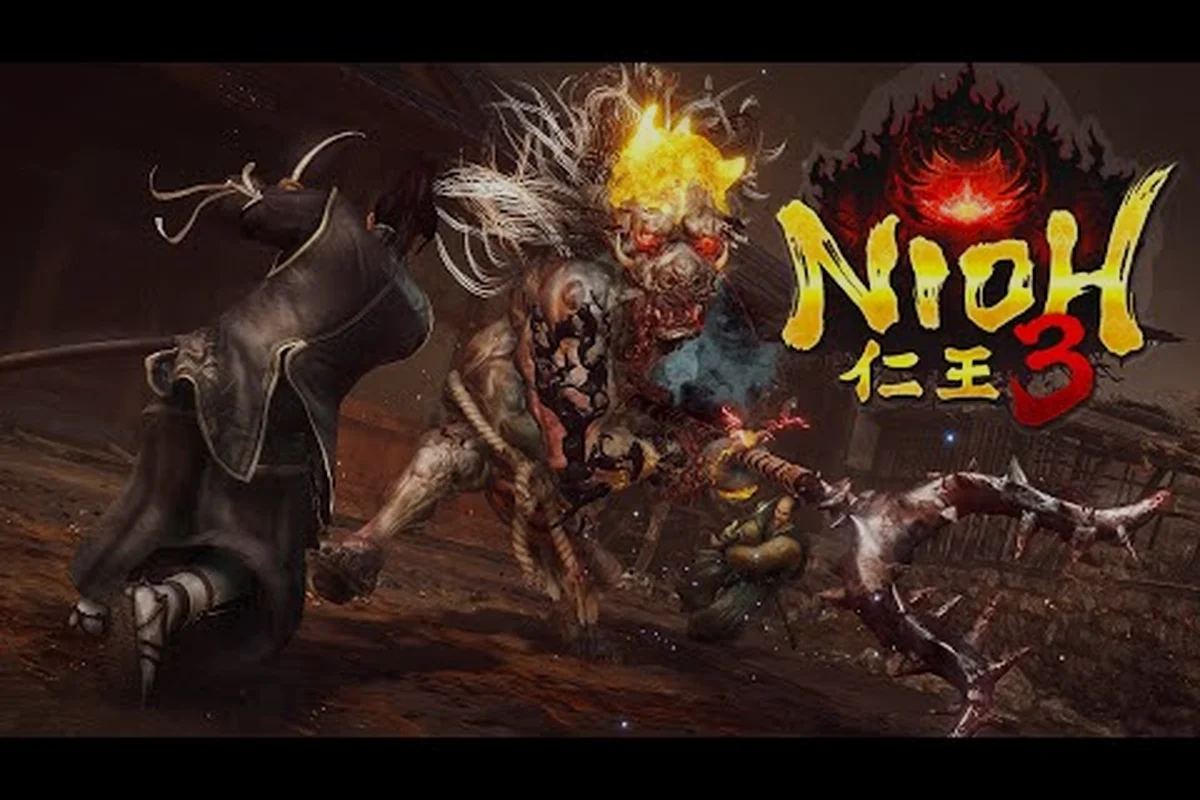
Nioh 3 How to Clear Yokai Pools: Burst Counter Guide
Nioh 3 how to clear yokai pools with burst counters and guardian spirits. Remove corruption zones to restore your max health and buffs quickly.
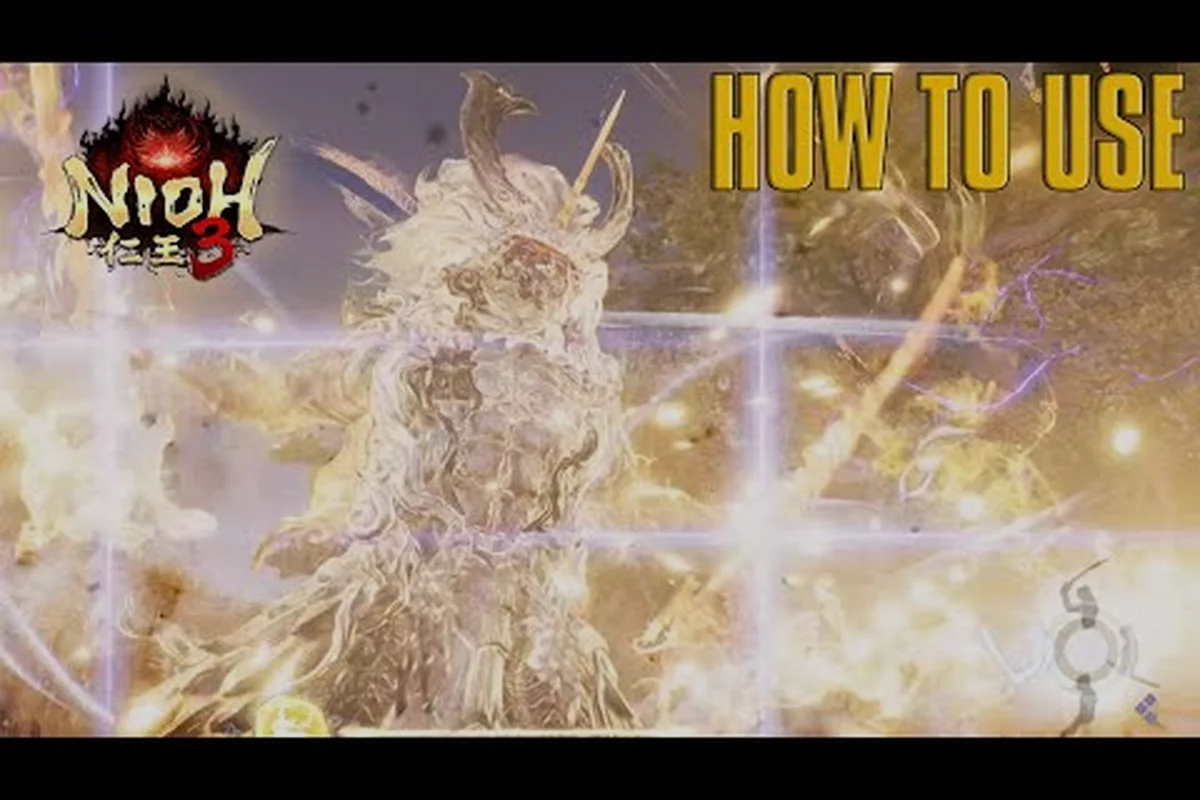
Nioh 3 Kusanagi Guardian Spirit: Ki Damage and Poise
Nioh 3 Kusanagi guardian spirit boosts ki damage and grapple finishers. Use it to break guards, stagger bosses, and land finishing moves easily.
All Articles
Nioh 3 Mid Stance: Parry, Deflect, and Evade Tactics
Nioh 3 mid stance balances offense and defense with parries and dodges. Learn when to use it over low and high stances for better positioning.
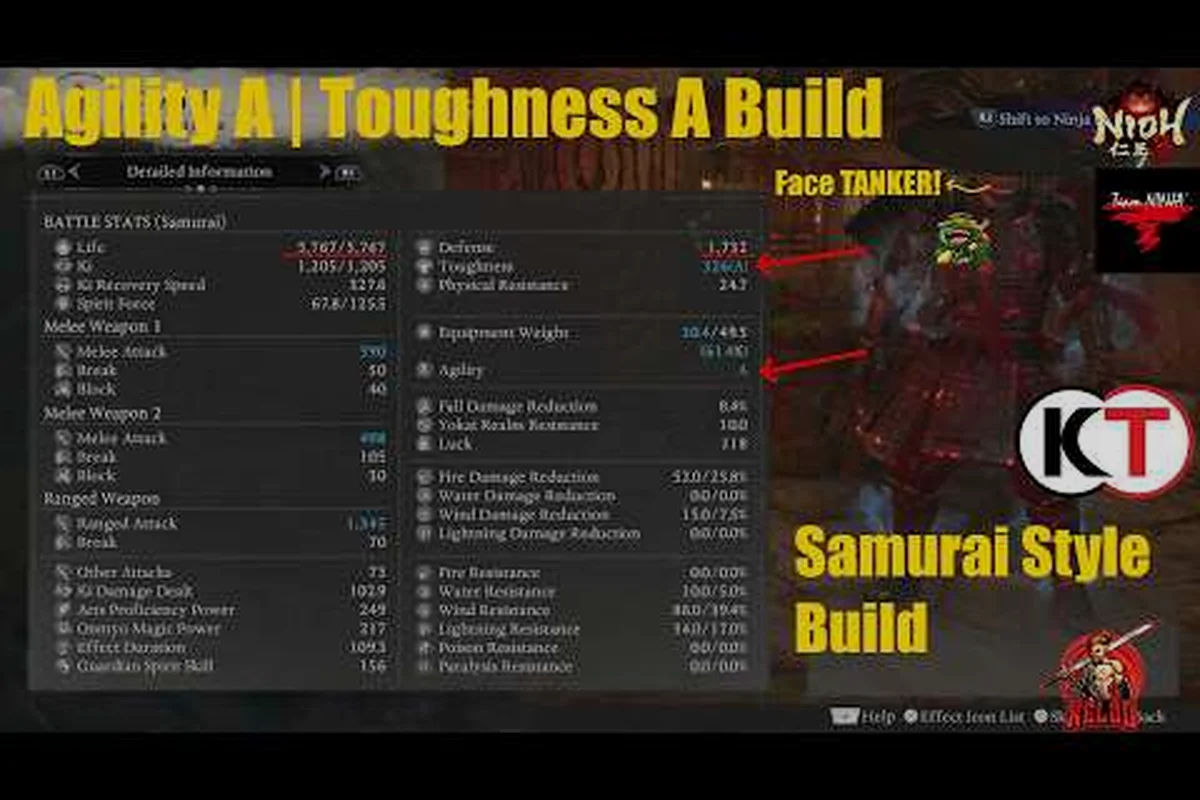
Nioh 3 Toughness Explained: Poise and Stagger Resistance
Nioh 3 toughness explained for poise and hyper armor. Raise toughness to trade hits and avoid being staggered in combat with heavy weapons and armor.
Nioh 3 Combos Guide: Martial Arts and Ninjutsu Chains
Nioh 3 combos guide links martial arts, ninjutsu, and onmyo for devastating damage. Build fluid attack strings for every weapon type and playstyle.
Nioh 3 Water Status: Elemental Effects and Confusion
Nioh 3 water status reduces enemy defense and sets up Confusion. Combine water with fire or lightning for massive elemental damage and status buildup.