
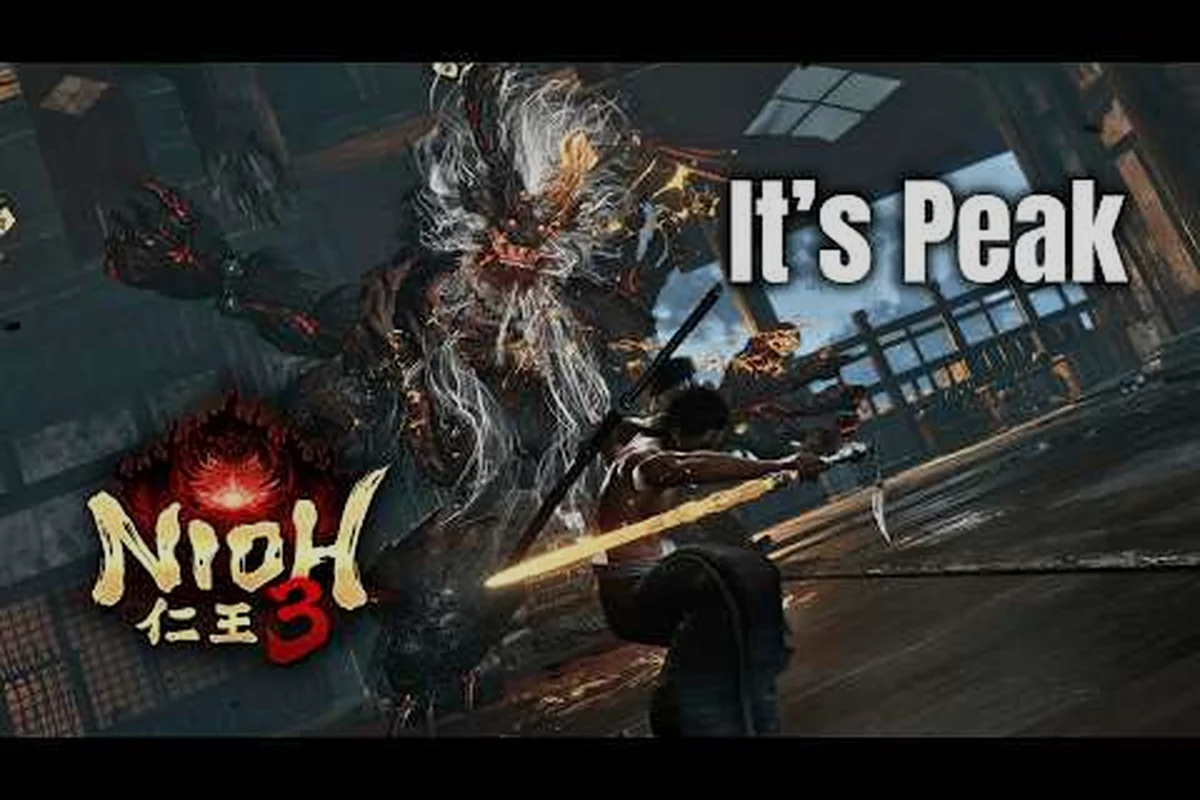
Nioh 3 pushes combat depth further than any previous entry, and the difference between surviving a boss and dismantling one often comes down to how well you chain your offensive tools. This Nioh 3 combos guide breaks down the full attack-string ecosystem—Martial Arts, Ninjutsu, and Onmyo—so you can build fluid sequences that strip Ki, apply status effects, and punish openings without leaving yourself exposed. Because the game now lets you weave magic and ranged tools directly into weapon chains, understanding how each system feeds the others matters more than raw stat investment.
The core loop rewards players who treat every encounter as a rhythm puzzle rather than a button-mash contest. While the combat guide covers stance fundamentals, this guide focuses specifically on the combo layer—the sequences you string together once you understand Ki Pulse timing. You will learn which Martial Arts chain naturally into Ninjutsu throws, how Onmyo buffs extend your damage windows, and why Agility determines whether your combo strings stay viable in endgame content.
Martial Arts Combo Fundamentals and Input Timing
Every weapon in Nioh 3 has its own Martial Arts tree, and these skills form the backbone of your offensive sequences. Unlike basic attacks, Martial Arts consume Ki and often have specific follow-up windows that let you chain into other skills or transition into a Ki Pulse. The key insight from community testing is that Martial Arts combos are not just about damage—they are about Ki management and positioning control.
The game assigns each Martial Art a startup frame, active frame, and recovery frame, though these numbers are not displayed in the UI. Players have measured these timings through frame-by-frame analysis, and the results show that weapons like the Switchglaive and Cestus have significantly shorter recovery windows than the Odachi or Axe. This means faster weapons can chain three or four skills in a single opening, while slower weapons need to rely on single heavy hits followed by a Ki Pulse.
| Weapon | Best Chain Starter | Best Combo Finisher | Recovery Window | Ki Cost per Chain |
|---|---|---|---|---|
| Katana | Sword Ki | Iai Quickdraw | Short | Medium |
| Dual Swords | Water Sword | Sign of the Cross | Very Short | High |
| Spear | Twirl | Spearfall | Medium | Low |
| Odachi | Moonlit Snow | Imperative Strike | Long | Very High |
| Cestus | Unbroken | Tiger's Bite | Very Short | Medium |
The Unbroken skill on the Cestus deserves special attention because it stacks a damage multiplier each time you land a different Martial Art in sequence. According to player reports, maintaining a five-hit Unbroken chain increases your damage output by roughly 40 percent, which makes the Cestus one of the strongest combo weapons in the game. The tradeoff is that Unbroken resets if you take damage or pause too long between attacks, so you need to commit fully to aggressive play.
Ki Pulse Integration for Extended Strings
Your combo length is ultimately limited by your Ki bar, and that is where Ki Pulse becomes a combo tool rather than just a recovery mechanic. When you finish a Martial Art, the Ki Pulse window appears as a blue flash around your character. Timing your pulse perfectly restores a portion of the Ki you spent, and chaining a Flux stance switch during that pulse refunds even more.
The advanced combo pattern that high-level players use looks like this: start with a low-stance quick attack, transition into a mid-stance Martial Art, then perform a Flux II switch to high stance for a heavy finisher. Because Flux II refunds Ki based on how many stances you cycle through, you can extend a combo by two or three additional attacks compared to a player who stays in one stance. This is the foundation of every strong Nioh 3 martial arts combo in endgame content.
Ninjutsu Combos and Ranged Integration
Ninjutsu has evolved from a supplementary tool into a full combo system in Nioh 3. The Ninjutsu skill tree now includes throwable weapons, traps, and self-buffs that can be woven directly into melee sequences. The most effective Nioh 3 ninjutsu combos alternate between melee pressure and ranged harassment, forcing enemies to react to two different threat vectors simultaneously.
The Shuriken and Kunai are your primary combo tools because they have fast recovery and can be thrown immediately after a Ki Pulse. A common pattern is to land a heavy Martial Art, Ki Pulse, then immediately throw a Kunai while the enemy is still in hitstun. This extends your damage window without committing to another melee attack that might leave you vulnerable. For larger enemies, the Feathers series—Fire, Water, and Lightning—applies elemental status effects that set up Confusion when combined with a second element.
| Ninjutsu Tool | Combo Role | Element | Best Used Against |
|---|---|---|---|
| Shuriken | Quick follow-up | Physical | Human enemies |
| Kunai | Mid-range pressure | Physical | Fast Yokai |
| Fire Feather | Status application | Fire | Slow Yokai |
| Water Feather | Ki damage | Water | Blocking enemies |
| Lightning Feather | Speed debuff | Lightning | Agile bosses |
The Power Pill and Catwalking buffs are worth mentioning because they change your combo math. Power Pill increases melee damage by a percentage that scales with your Ninjutsu power, while Catwalking removes footstep noise and fall damage, letting you position for back attacks. According to the Nioh 3 ninjutsu skills explained guide, these buffs stack with Onmyo buffs, which means a properly prepared ninja can enter a boss fight with three or four active enhancements.
Ninjutsu vs Onmyo: When to Use Each System
The Ninjutsu vs Onmyo debate comes down to playstyle rather than raw power. Ninjutsu excels at burst damage and status application through throwable items, while Onmyo provides sustained buffs and elemental damage through spellcasting. A ninja build can kill a boss faster in ideal conditions, but an Onmyo build is more forgiving because its buffs last longer and its spells can be cast from safer distances.
Onmyo Combo Extensions and Elemental Synergy
Onmyo Magic in Nioh 3 is not just about casting spells from range—it is about layering elemental effects onto your melee combos. The Onmyo skill tree includes elemental weapon buffs, self-healing spells, and crowd control abilities that all integrate with your attack strings. The most powerful Nioh 3 onmyo combos combine elemental weapon buffs with status-application spells to trigger Confusion, which increases damage taken by a significant margin.
The elemental weapon buffs—Fire Weapon, Water Weapon, and Lightning Weapon—are the simplest combo tools because they add elemental damage to every melee hit. When you pair a weapon buff with a spell that applies a different element, you create a two-element setup that triggers Confusion after a few hits. For example, applying Fire Weapon to your Katana and then casting Lightning Feather from the Ninjutsu tree will stack both elements on the enemy, and once both status meters fill, Confusion activates.
| Onmyo Spell | Combo Use | Duration | Ki Cost |
|---|---|---|---|
| Fire Weapon | Elemental melee buff | 30 seconds | Medium |
| Water Weapon | Ki damage buff | 30 seconds | Medium |
| Lightning Weapon | Speed debuff on hit | 30 seconds | Medium |
| Guardian Spirit Talisman | Spirit summon combo | Instant | High |
| Steel Talisman | Damage reduction | 20 seconds | Low |
The Guardian Spirit Talisman deserves special mention because it lets you summon your Guardian Spirit for a brief period, and during that time your melee attacks gain additional elemental damage and knockback. This creates a powerful combo window where you can chain Martial Arts with the spirit's attacks, effectively doubling your damage output. According to community reports, the best use of this talisman is to activate it right before a boss enters its grapple state, when the enemy is staggered and vulnerable.
Agility Explained: How It Affects Combo Viability
Nioh 3 agility explained is essential for combo-focused players because your Agility rating determines how much Ki your actions cost and how fast you recover. The game divides Agility into three tiers—A, B, and C—based on your equipment weight relative to your maximum carry capacity. Agility A provides the lowest Ki costs and fastest recovery, while Agility C makes every action expensive and slow.
| Agility Tier | Ki Cost Modifier | Ki Recovery Speed | Dodge Distance | Recommended For |
|---|---|---|---|---|
| A | 0.85x | Fast | Long | Combo-heavy builds |
| B | 1.00x | Medium | Medium | Balanced builds |
| C | 1.15x | Slow | Short | Tank builds |
For players who want to maximize Nioh 3 martial arts combos, Agility A is non-negotiable. The reduced Ki costs let you chain three or four Martial Arts in a single opening, and the faster recovery means you can Ki Pulse more frequently. The tradeoff is that Agility A requires light armor, which offers less physical defense. This is why many combo builds rely on Onmyo buffs like Steel Talisman to compensate for the lower armor rating.
Building a Combo-Focused Loadout
Creating a loadout that supports long combo strings requires attention to three areas: weapon choice, armor weight, and skill allocation. The weapon determines which Martial Arts you can chain, the armor determines your Agility tier, and the skill allocation determines how many combo tools you have access to. According to the build stats explained guide, these three factors interact more than most players realize.
The Cestus and Dual Swords are the strongest combo weapons because their fast attack speed and short recovery windows let you maintain pressure without leaving gaps. The Switchglaive is a close third because its stance-switching mechanic naturally integrates with Flux, allowing for seamless transitions between low, mid, and high stance combos. For players who prefer heavier weapons, the Odachi can work but requires careful Ki management because its attacks are expensive.
Recommended Skill Allocation for Combo Builds
Your skill points come from Samurai Locks and Ninja Locks, which you earn through progression and exploration. The how to get skill points guide explains the farming methods in detail, but the key takeaway is that you should prioritize combo-enabling skills over raw damage increases. Skills that reduce Ki costs, extend Ki Pulse windows, or add follow-up attacks are worth more than a flat 5 percent damage boost.
For a Cestus build, prioritize Unbroken, Tiger's Bite, and Dragon's Breath in that order. For a Dual Swords build, prioritize Water Sword, Sign of the Cross, and Mind's Eye. For a Switchglaive build, prioritize Cyclone, Fleeting Fists, and Edge of Dawn. Each of these skills either extends your combo length or adds a powerful finisher that benefits from the combo multiplier.
Advanced Combo Strategies for Boss Fights
Boss fights in Nioh 3 reward players who can maintain pressure while avoiding damage, and combo strategies play a central role in that balance. The key is to recognize attack windows—the brief moments after a boss finishes a combo where it is vulnerable—and use those windows to execute your longest chains. According to the PowerPyx boss guide, the final region's bosses have longer recovery windows than early-game enemies, which means you can safely execute longer combos without punishment.
The Great Tengu boss, which marks the start of the Heian period, is a good example of combo strategy in practice. This boss uses wind and lightning attacks from the air, so you need to dodge behind it and use your fastest combo tools. Player reports suggest that the Cestus Unbroken chain is particularly effective here because its short recovery lets you land multiple hits between the Tengu's attacks. When the boss glows red and swoops down, you can use a Burst Counter to stagger it and then follow up with a full combo.
Managing Ki During Extended Combos
The biggest risk in any extended combo is running out of Ki mid-sequence, which leaves you vulnerable to counterattacks. The solution is to integrate Ki Pulse and Flux into every combo, not just at the end. By pulsing between each Martial Art, you maintain your Ki at a sustainable level, and by using Flux to switch stances, you refund even more Ki than a standard pulse.
A practical pattern for boss fights is to use a two-stance combo loop: start in low stance for quick pokes, switch to mid stance for a Martial Art, then switch to high stance for a heavy finisher. After the finisher, Ki Pulse back to low stance and repeat. This loop keeps your Ki topped up while maintaining constant pressure, and it works with any weapon that has good stance coverage.
Frequently Asked Questions
What is the best weapon for Nioh 3 combos?
The Cestus is the best combo weapon because its Unbroken skill stacks damage multipliers with each unique Martial Art you chain. It has very short recovery windows, allowing you to land five or six hits in a single opening. Dual Swords are a close second for players who prefer a more traditional weapon moveset.
How do I chain Ninjutsu into my melee combos?
After landing a Martial Art, perform a Ki Pulse and immediately throw a Kunai or Shuriken. The throw has fast recovery, so you can follow up with another melee attack without losing momentum. For elemental setups, use Feathers to apply status effects that trigger Confusion when combined with a weapon buff.
What is the difference between Ninjutsu and Onmyo for combos?
Ninjutsu provides burst damage and status application through throwable tools, while Onmyo offers sustained buffs and elemental damage through spells. Ninjutsu combos are faster but riskier, while Onmyo combos are slower but more forgiving. Most advanced builds use both systems together to maximize damage output.
Does Agility affect combo performance?
Yes, Agility A reduces Ki costs by 15 percent and speeds up recovery, which directly extends your combo length. Agility B is balanced, while Agility C increases Ki costs and slows recovery, making long combos impractical. If you want to chain multiple Martial Arts, prioritize light armor to maintain Agility A.
Can I use Onmyo buffs to extend my combo windows?
Yes, elemental weapon buffs like Fire Weapon and Lightning Weapon add elemental damage to every melee hit, and Steel Talisman reduces incoming damage so you can stay aggressive longer. Guardian Spirit Talisman summons your spirit for a brief period, adding extra damage and knockback to your attacks.