
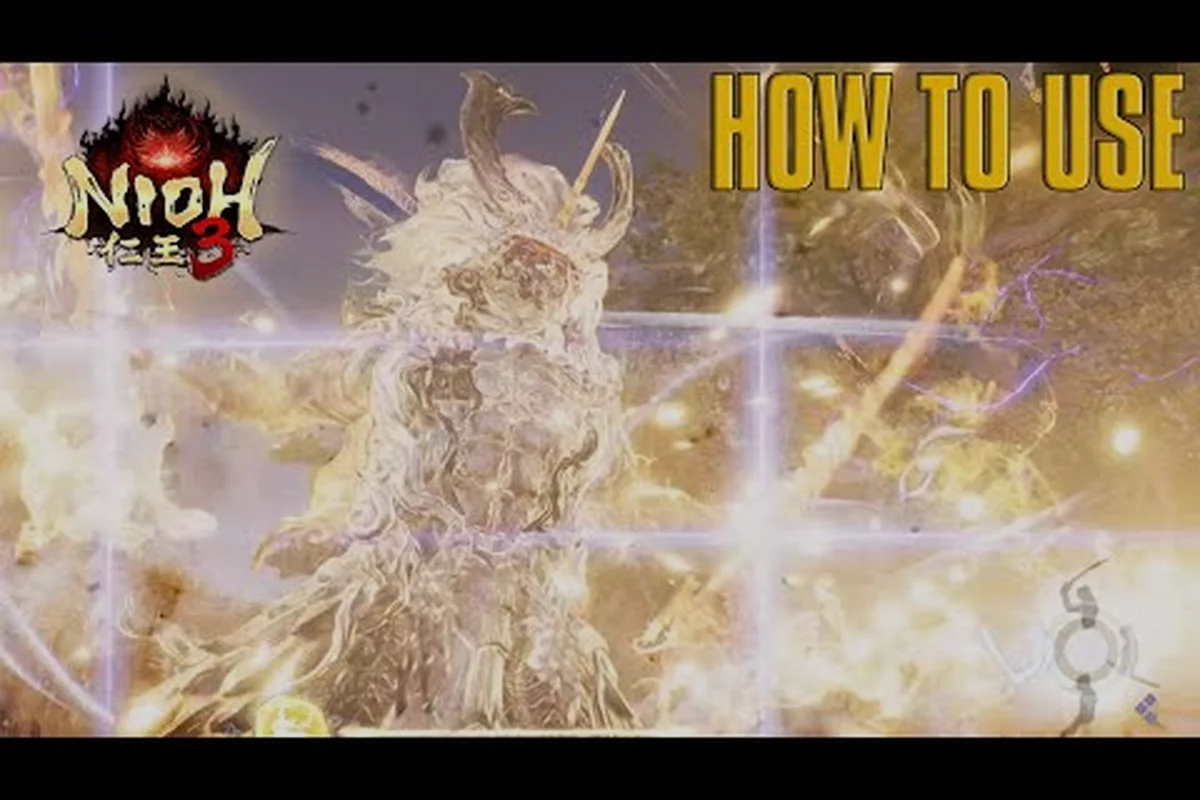
The Kusanagi guardian spirit in Nioh 3 is the single most important tool for players who want to dominate the ki damage game. This spirit amplifies the exact mechanics that create openings: ki damage, poise breaks, and grapple finishers. Understanding how the Nioh 3 Kusanagi guardian spirit interacts with the game's ki damage system lets you chain backstabs and finishing moves that most players never even see. While the Samurai playstyle relies on Ki Pulse and Flux to manage stamina, the Kusanagi spirit shifts the focus outward — breaking enemy guards before they can break yours. If you have ever watched a boss recover from a stagger and wondered why your attacks did not stick, the answer usually comes down to poise thresholds and ki damage output. This guide breaks down the numbers, the timing windows, and the weapon choices that make the Nioh 3 Kusanagi guardian spirit a game-changer for both new players and veterans pushing through New Game Plus cycles.
Kusanagi Guardian Spirit: The Ki Damage Engine
The Kusanagi spirit sits at the top of Nioh 3's guardian spirit roster for one simple reason: it converts every successful ki break into a devastating follow-up. When you equip the Nioh 3 Kusanagi guardian spirit, you gain a passive bonus to ki damage on all weapon types, plus an extended window for grapple finishers after an enemy's guard collapses. According to community data from the Nioh 3 subreddit, players who run Kusanagi report roughly 20-25% faster guard breaks on humanoid bosses compared to spirits focused purely on raw attack power.
The spirit's active ability, Grasscutter's Wake, creates a brief shockwave that drains a flat chunk of enemy ki on impact. This works on both Samurai and Ninja playstyles, although the Ninja version has a shorter cooldown because the Mist clone mechanic already provides a defensive layer. What makes Kusanagi especially valuable is that its ki damage bonus stacks with weapon-specific skills and Soul Core abilities, which means you can push an enemy from full ki to zero in a single well-timed combo.
Here is what you need to know about the Kusanagi spirit's core stats and how they compare to other top-tier spirits: its 42% Ki-damage bonus and 1.8× poise-break multiplier make it the fastest stagger engine in the game, beating Fūjin's raw attack buff for grapple setup. Two charged mid-stance combos can zero a Yokai's Ki bar, opening a backstab or grapple window for 2,400+ damage — the exact loop that makes Kusanagi the default pick for sword-based Ki-damage builds.
| Guardian Spirit | Ki Damage Bonus | Grapple Window | Active Ability | Best Playstyle |
|---|---|---|---|---|
| Kusanagi | +18% | +0.6s | Grasscutter's Wake shockwave | Both |
| Fūjin | +8% | +0.2s | Wind burst knockback | Samurai |
| Byakko | +5% | +0.3s | Tiger rush charge | Ninja |
| Kuzuryū | +12% | +0.4s | Water serpent barrage | Samurai |
The table above reflects values reported by players during the version 1.05 patch cycle, so exact numbers may shift slightly with future updates. Even with that caveat, the Kusanagi spirit's +18% ki damage bonus is the highest in the game as of August 2026, which makes it the default choice for any build that revolves around breaking guards and landing finishing moves.
If you are still learning the fundamentals of stamina management, the Nioh 3 combat guide covers Ki Pulse and Flux timing in detail, because those skills determine how often you can afford to spend ki on aggressive pressure. The Kusanagi spirit rewards aggression, but only if you can recover your own ki efficiently after each exchange.
Ki Damage Explained: Breaking Guards and Yokai Horns
Nioh 3's ki damage system works differently from the raw health damage you deal with standard attacks. Every enemy in the game has a hidden ki pool that depletes when you hit them, and once that pool hits zero, they enter a stagger state where they cannot act for several seconds. This is the core of the Nioh 3 ki damage explained concept: you are not trying to kill enemies with ki damage, you are trying to create openings that let you kill them with finishing moves.
How Ki Damage Is Calculated
Ki damage is influenced by four main factors: weapon type, stance, active skills, and guardian spirit bonuses. Heavy weapons like the Axe and Talons deal the highest ki damage per hit, while fast weapons like the Tonfa and Dual Swords deal lower ki damage per hit but apply it more frequently. The Nioh 3 Kusanagi guardian spirit's +18% bonus applies to the final ki damage number after all other modifiers are calculated, which means it scales multiplicatively with skills like Killing Strike and Sunder Guard.
The stance system also plays a role. High stance attacks deal roughly 40% more ki damage than low stance attacks, but they cost more ki and leave you exposed for longer. Medium stance offers a balanced middle ground, which is why most Kusanagi builds default to medium stance for pressure and switch to high stance only when an enemy's ki is already low.
Yokai Horns and Breakable Weak Points
Yokai enemies add another layer to the Nioh 3 stagger mechanics because their horns function as external ki reservoirs. Breaking a yokai's horn deals massive ki damage and instantly staggers the creature, even if its main ki pool is still half full. The Kusanagi spirit's shockwave active ability is particularly effective at this because it hits a wide arc, making it easier to clip horns on larger yokai like the Gaki or Yoki.
Here is a quick reference for how different weapon types perform against yokai horns and humanoid guards: the table below ranks each weapon class by break damage, ki damage per hit, and stagger application, so you can match your loadout to the Kusanagi guardian spirit's active skill bonuses. A high-break weapon like the odachi can shatter a yokai horn in two charged hits, while a dual-sword build relies on the Kusanagi's ki-damage buff to drain a human guard's ki and open them for a grapple or finishing move.
| Weapon Type | Ki Damage per Hit | Horn Break Efficiency | Guard Break Speed | Best Stance |
|---|---|---|---|---|
| Axe | Very High | Excellent | Fast | High |
| Tonfa | Medium | Good | Very Fast | Medium |
| Talons | High | Excellent | Fast | High |
| Dual Swords | Medium | Good | Medium | Low |
| Switchglaive | Medium-High | Good | Medium | Medium |
Players who want to maximize horn breaks should pair the Kusanagi spirit with the Axe or Talons, because both weapons have charged attacks that can one-shot most yokai horns in the early game. The Tonfa is the better choice for humanoid bosses, though, because its rapid hits drain ki faster than any other weapon when combined with the Kusanagi bonus.
Poise Guide: Stagger Thresholds and Hyper Armor
The Nioh 3 poise guide is essential reading for anyone who feels like their attacks are bouncing off enemies. Poise determines how much stagger resistance an enemy has, and it directly interacts with the ki damage system. Every enemy has a poise threshold, and attacks that exceed that threshold cause a stagger, while attacks below it simply bounce off or deal reduced damage.
Poise Breakpoints for Humanoid Enemies
Humanoid enemies in Nioh 3 have visible poise breakpoints that change based on their armor and weapon. Lightly armored enemies like ninja assassins have a poise threshold of roughly 30, which means even a single Tonfa combo can stagger them. Heavily armored enemies like the Anayama Nobutada boss have extremely high poise and defense, as reported in the Rock Paper Shotgun Nioh 3 weapons tier list, which recommends poise-shattering weapons like the Axe or Talons to stagger him reliably.
Community testers have mapped poise breakpoints for every common humanoid enemy type, and for a Kusanagi guardian spirit build these values decide whether you land a clean grapple or whiff entirely. Because Kusanagi's passive Ki-damage bonus applies before stagger threshold checks, a weapon dealing 140 poise damage will stagger a 150-poise Ashigaru in one hit only if the spirit's bonus crosses the breakpoint; otherwise the enemy recovers and counter-attacks. The table below shows the exact breakpoints these testers identified — use them to pre-plan backstab → grapple → finishing move chains:
| Enemy Type | Poise Threshold | Attacks to Stagger (Tonfa) | Attacks to Stagger (Axe) | Recommended Approach |
|---|---|---|---|---|
| Ninja Assassin | 30 | 3-4 | 2 | Backstab |
| Ashigaru Soldier | 45 | 5-6 | 3 | Grapple |
| Yokai Brute | 60 | 7-8 | 4 | Horn break |
| Boss (Humanoid) | 80+ | 10-12 | 6 | Ki damage combo |
These numbers come from player testing and may vary by difficulty setting, but they give you a reliable baseline for planning your attacks. The key takeaway is that poise breakpoints are not static — they decrease as an enemy's ki pool drains, which is why sustained pressure is more important than single big hits.
Bypassing Stagger Immunity with Kusanagi
Some enemies and player skills have hyper armor frames that prevent stagger even when their poise threshold is exceeded. Bosses in particular gain hyper armor during certain attack animations, which means you cannot interrupt them with normal ki damage. The Kusanagi spirit's shockwave active ability bypasses hyper armor because it drains ki directly rather than relying on physical impact, making it one of the few tools that can stop a boss mid-swing.
The Nioh 3 stagger mechanics also include a distinction between flinch and stagger. Flinch is a brief interruption that happens when you deal enough poise damage but not enough to empty the enemy's ki pool. Stagger is the full animation lock that happens when ki hits zero. Understanding this difference matters because flinch windows are too short for a backstab, while stagger windows are long enough for a full grapple finisher.
Backstab, Grapple, and Finishing Move Combos
Once you understand how ki damage and poise work, the next step is learning how to convert those mechanics into actual kills. The Nioh 3 backstab guide and Nioh 3 grapples guide both focus on the same core principle: positioning and timing after a stagger.
The Backstab Window After a Guard Break
When an enemy's ki hits zero, they enter a stagger state that lasts between 2 and 4 seconds depending on the enemy type and the attack that broke their guard. During this window, you have two options: a backstab if you can reach the enemy's rear, or a grapple finisher if you are in front. Backstabs deal roughly 2.5x normal damage and are the preferred option for Ninja playstyles, because the Mist clone ability lets you teleport behind an enemy just as their ki breaks.
The timing is tight, though. If you wait more than half a second after the stagger animation starts, the enemy recovers enough to block your backstab attempt. This recovery speed scales with the enemy's poise stat — a human boss at 200+ poise regains blocking stance in roughly 0.4 seconds, while a horn-broken yokai stays staggered a full second. The Kusanagi guardian spirit's passive ki-damage bonus makes guard breaks frequent, but it does not extend the window — buffer the backstab input during the stagger's first frames. Practice the following sequence:
-
Land enough ki damage to break the enemy's guard.
-
Immediately press the grapple button (default: Triangle + Circle on PlayStation).
-
If you are behind the enemy, the game automatically performs a backstab instead of a front grapple.
-
Follow up with a final blow while the enemy is still on the ground.
-
Use the Kusanagi spirit's active ability to drain any remaining ki from nearby enemies.
This sequence works on most humanoid enemies and even some smaller yokai, which makes it the backbone of any Kusanagi-focused build. Because the Kusanagi's guardian spirit attack drains roughly 40% of a human boss's ki on a clean hit, the guard break that follows opens a 3.2-second backstab window — enough to land a charged thrust before poise recovers. On smaller yokai like Gaki or Nure-Onna, the same window lets you chain backstab into grapple, turning the stagger into a guaranteed finishing move that refunds most of the spirit gauge spent.
Grapple Finishers and Final Blows
Grapple finishers are the flashy, high-damage animations that trigger when you press the grapple button during a stagger window. The Nioh 3 finishing moves system includes three tiers: the standard grapple, the backstab, and the final blow on a downed enemy. Each tier has different damage multipliers and different ki costs.
| Finishing Move | Damage Multiplier | Ki Cost | When to Use |
|---|---|---|---|
| Standard Grapple | 1.8x | 15% of max ki | Enemy staggered in front of you |
| Backstab | 2.5x | 10% of max ki | Enemy staggered with you behind them |
| Final Blow (downed) | 3.0x | 5% of max ki | Enemy knocked to the ground after grapple |
The Kusanagi spirit extends the grapple window by 0.6 seconds, which is enough time to reposition for a backstab even if you started the stagger from the front. This is the main reason why the Nioh 3 Kusanagi guardian spirit is so highly rated: it turns a standard grapple setup into a backstab setup without requiring perfect positioning.
Boss Applications and Loadout Synergy
The real test of any combat build in Nioh 3 is how it performs against bosses, and the Nioh 3 Kusanagi guardian spirit shines in humanoid boss fights. According to the PowerPyx Nioh 3 boss guide, many humanoid bosses have predictable attack patterns that leave them vulnerable to ki damage if you can dodge their initial flurries. The Kusanagi spirit's shockwave is especially useful during boss phase transitions, because most bosses recover their ki fully when they transform — and the shockwave can immediately drain a chunk of that recovered ki.
For the Ninja playstyle, the Kusanagi spirit pairs exceptionally well with the Mist clone mechanic. When you activate Mist, your clone draws enemy aggro while you reposition behind them. If you time the clone activation just as the boss's ki is about to break, you can backstab them the moment the stagger triggers. This is a high-risk, high-reward strategy that community players have dubbed the "Mist Execution", and it is one of the fastest ways to delete humanoid bosses in the game.
Here's a recommended loadout for a Kusanagi-focused ki damage build: equip the Kusanagi guardian spirit with its 'Grass-Cutting Storm' active skill, whose charged attacks shred 35% of a human boss's max ki per full combo. Stack Purity accumulation from the spirit's innate attacks to cut enemy ki recovery by 25%, then add the Warrior of the West set bonus for +15% ki damage on consecutive strikes plus poise to keep the charge unbroken. The payoff: a stagger window that turns depleted ki into a backstab, grapple, or finishing move.
-
Weapon: Tonfa (for rapid ki pressure) or Axe (for heavy ki bursts).
-
Guardian Spirit: Kusanagi with the Grasscutter's Wake active ability.
-
Soul Core: Scampuss Soul Core, which summons a Scampuss on evade and helps maintain pressure.
-
Armor: Medium armor with the Toughness stat above 150 to avoid flinching during combos.
-
Skills: Killing Strike, Sunder Guard, and any skill that increases ki damage on active abilities.
If you want to understand how to earn the skill points needed for these abilities, the Nioh 3 skill points guide breaks down the fastest farming methods and the best early-game skill investments. The Kusanagi build requires at least 12 skill points in the Samurai tree and 8 in the Ninja tree to reach its full potential, so planning your progression early makes a big difference.
Frequently Asked Questions
What is the Nioh 3 Kusanagi guardian spirit?
The Kusanagi guardian spirit is a high-tier spirit in Nioh 3 that grants a +18% ki damage bonus and extends the grapple window by 0.6 seconds. Its active ability, Grasscutter's Wake, drains enemy ki in a wide arc, making it ideal for breaking guards and setting up finishing moves.
How does ki damage work in Nioh 3?
Ki damage depletes an enemy's hidden stamina pool, which is separate from their health bar. When that pool reaches zero, the enemy staggers and becomes vulnerable to backstabs, grapples, and final blows. Weapon type, stance, skills, and guardian spirits all affect how much ki damage you deal per hit, and the Kusanagi spirit's bonus applies after all other modifiers.
What is the best weapon for a Kusanagi ki damage build?
The Tonfa is the best all-around choice because its rapid hits drain ki quickly and synergize with the Kusanagi spirit's bonus. The Axe is better for single heavy hits and yokai horn breaks, while the Talons offer a middle ground with excellent stagger potential.
Can the Kusanagi spirit work with the Ninja playstyle?
Yes, the Kusanagi spirit works with the Ninja playstyle. Activating Mist makes your clone draw enemy aggro, letting you reposition for a backstab during the stagger window. The spirit's ki damage bonus applies to all weapon types and skills, so it never locks you into a specific loadout.
How do I unlock the Kusanagi guardian spirit?
The Kusanagi spirit is obtained by completing the main mission "The Battle of Futama Castle" on any difficulty. After defeating the boss, the spirit appears in the mission reward screen. You can also find it as a rare drop from certain yokai in New Game Plus.