
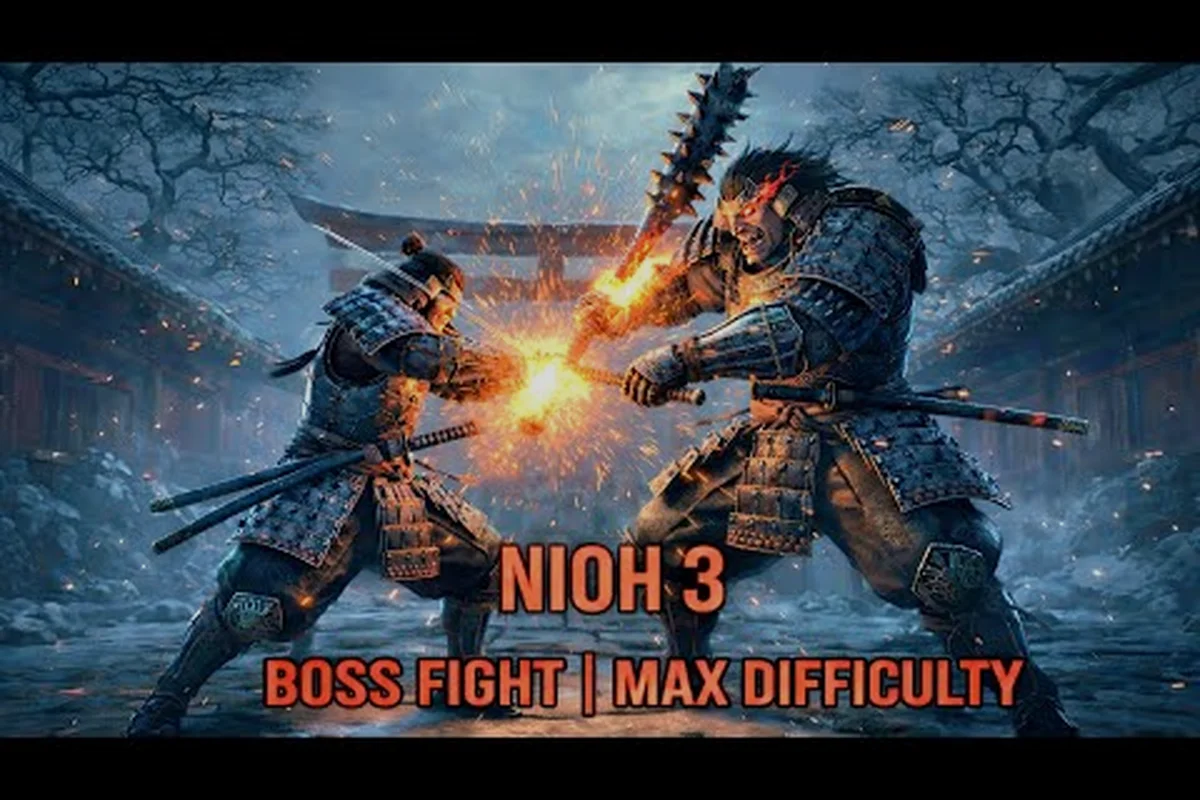
The Nioh 3 strength build is the definitive answer for players who want to crush enemies with heavy weapons and absorb punishment without flinching. While the game rewards technical play, a well-tuned strength setup lets you trade blows confidently, stagger bosses, and clear mobs with devastating wide arcs. This guide breaks down the exact stat allocation, weapon pairings, armor choices, and skill priorities that make the strength archetype viable from the first region through endgame Dream of the Nioh cycles.
What makes this build particularly compelling is how it synergizes with the new Reference Stat system introduced in Nioh 3. According to the Nioh 3 Beginner Guide on Fextralife, the most effective builds pair a Samurai weapon and a Ninja weapon that share at least one similar Reference Stat, ideally two. This means your strength investment can power both your primary heavy weapon and a secondary utility weapon simultaneously, giving you access to both raw power and tactical flexibility without splitting your attribute points too thin.
Core Strength Build Stat Allocation
The foundation of any Nioh 3 strength build rests on understanding how Heart, Strength, and Stamina interact with your damage output and survivability. Strength directly increases the attack power of heavy weapons like the Axe, Odachi, and Hammer, while Heart governs your Ki recovery speed and maximum Ki pool. Stamina raises your equipment weight capacity, which determines whether you can wear heavy armor while maintaining a B agility rating or better.
For a balanced strength setup, prioritize Strength to 40 by the end of the first playthrough, then push Heart to 30 for sustainable Ki management. Stamina should reach 25 to equip medium-heavy armor combinations without dropping into C agility, which would cripple your dodge recovery frames. The remaining points should go into Constitution for HP scaling, since a strength build that trades hits needs a larger health pool to survive prolonged exchanges.
| Stat | Priority | Soft Cap | Primary Benefit |
|---|---|---|---|
| Strength | 1st | 40 | Direct weapon damage scaling |
| Heart | 2nd | 30 | Ki recovery speed and max Ki |
| Stamina | 3rd | 25 | Equipment weight capacity |
| Constitution | 4th | 30 | HP pool and damage reduction |
| Skill | 5th | 20 | Samurai skill damage bonuses |
This allocation differs significantly from a Nioh 3 skill build, which prioritizes Skill and Dexterity for faster weapons and critical hit damage. The strength route sacrifices attack speed for raw per-hit damage, meaning you must learn enemy attack patterns to find openings rather than relying on rapid combos. The trade-off is worth it because heavy weapons deal massive Ki damage to blocking enemies, breaking their guard in two or three hits instead of the six or seven required by lighter weapons.
Understanding Reference Stat Synergy
The Reference Stat system is the single most important mechanic for optimizing your Nioh 3 stat allocation build. Each weapon has a primary scaling stat and one or two secondary reference stats that contribute a percentage of their value to the weapon's damage. When you equip a Samurai weapon and a Ninja weapon that share reference stats, both weapons benefit from the same attribute investment, effectively doubling your efficiency.
For a strength build, the Axe scales primarily with Strength and references Heart and Stamina. The Tonfa, a Ninja weapon, scales with Constitution and references Strength and Skill. This pairing means your Strength investment boosts the Axe's damage directly while also contributing to the Tonfa's secondary scaling. The result is a versatile loadout where you can switch between slow, devastating Axe swings and faster Tonfa combos without losing damage output.
Community testing suggests that pairing weapons with two shared reference stats can increase overall damage efficiency by roughly 15-20% compared to mismatched pairings. This is why the Nioh 3 best stats to level guide recommends planning your weapon pair before committing points, since respec options are limited until late game.
Best Heavy Weapons for Strength Scaling
The weapon tier list for strength builds in Nioh 3 favors weapons that deliver high single-hit damage and strong Ki break potential. The Axe remains the king of raw strength scaling, with its Lumbering Charge and Triumph skills providing devastating burst damage. The Odachi offers a middle ground between speed and power, with longer reach and faster swing animations than the Axe while still scaling primarily with Strength.
The Hammer, while slower than the Axe, excels at breaking enemy guards and dealing stagger damage to large yokai. Its Heaven and Earth skill chains multiple overhead strikes that can stunlock human bosses if timed correctly. For players who prefer a more defensive approach, the Splitstaff scales with Strength and Constitution, offering both melee combos and ranged Arc of the Heavens projectiles that consume Ki instead of ammunition.
| Weapon | Strength Scaling | Speed | Ki Damage | Best For |
|---|---|---|---|---|
| Axe | S | Slow | Excellent | Burst damage and guard breaks |
| Odachi | A | Medium | Good | Versatile combos and reach |
| Hammer | S | Very Slow | Superior | Stagger-locking bosses |
| Splitstaff | B | Fast | Moderate | Hybrid melee/ranged play |
According to the Rock Paper Shotgun weapon tier list, the Odachi ranks highly for players transitioning from lighter weapons because its moveset feels more responsive while still delivering strength-scaled damage. The Axe remains top-tier for pure damage output, but its slow recovery frames punish mistakes heavily. If you are new to heavy weapons, start with the Odachi to learn timing windows, then graduate to the Axe once you understand enemy attack patterns.
Secondary Weapon Selection
Your secondary weapon should complement the Axe or Odachi by covering its weaknesses. The Tonfa provides fast, low-Ki-cost combos that apply status effects like Fire or Lightning through elemental talismans, giving you a way to build elemental accumulation without relying on slow heavy attacks. The Kusarigama, while not strength-scaling, offers excellent crowd control with its sweeping attacks and grapple range, making it useful for thinning out mob packs before switching to your primary weapon for boss fights.
The Nioh 3 weapons list covers all available options in detail, but for strength builds specifically, the Tonfa is the recommended secondary because of its Reference Stat synergy with the Axe. This pairing lets you maintain pressure during boss fights by alternating between heavy Axe strikes and quick Tonfa pokes, keeping your Ki regeneration flowing while preventing the boss from recovering its own Ki.
Armor and Weight Management for Tankiness
A strength build without proper armor is a glass cannon that will fold to the first strong attack. The key is balancing physical damage reduction with agility rating, since heavy armor provides excellent protection but slows your movement and dodge speed. For most content, aim for a B agility rating with around 30-35% physical damage reduction from armor alone, then supplement with Onmyo magic buffs like Steel Talisman for additional mitigation.
The Warrior of the West set remains a strong early-game choice for strength builds, providing bonuses to attack power and damage reduction when wearing four or more pieces. Later, the Tatenashi set offers superior physical damage reduction and increased Ki recovery, making it the go-to armor for tank-oriented strength builds. The Obsidian Samurai set provides a balance of offense and defense, with bonuses to Strength scaling and reduced Ki consumption for heavy attacks.
| Armor Set | Weight Class | Physical Reduction | Set Bonus Focus |
|---|---|---|---|
| Warrior of the West | Medium | 20-25% | Attack and defense balance |
| Tatenashi | Heavy | 30-35% | Maximum damage reduction |
| Obsidian Samurai | Heavy | 25-30% | Strength scaling and Ki efficiency |
| Master Swordsman | Medium | 15-20% | Skill damage and critical hits |
Managing your equipment weight requires careful consideration of each piece's weight value. The Stamina stat directly increases your maximum equipment weight, so every point invested allows you to equip heavier armor pieces while maintaining your agility rating. A common mistake is equipping the heaviest armor available without checking the agility impact, resulting in a C agility rating that makes dodging nearly impossible. If you find yourself in this situation, swap one heavy piece for a medium piece or invest more points in Stamina.
Onmyo Magic Support for Strength Builds
While a Nioh 3 strength build focuses primarily on physical damage, integrating a few Onmyo magic spells dramatically improves survivability and damage output. The Steel Talisman reduces physical damage taken by roughly 20% for a short duration, while the Protection Talisman absorbs a fixed amount of damage before breaking. These two spells effectively double your effective HP during boss fights, giving you more room to trade blows with heavy weapons.
The Weakness Talisman reduces an enemy's defense by 25% for 15 seconds, which synergizes perfectly with the slow, powerful attacks of strength weapons. Applying Weakness before a Lumbering Charge can increase your burst damage by nearly 30%, turning a two-cycle boss fight into a one-cycle kill. The Lifeseal Talisman prevents enemy Ki recovery, making it easier to break guards and stagger yokai bosses.
This integration of magic into a strength build is what separates a good Nioh 3 stat allocation build from a great one. You do not need to invest heavily in Magic attribute; 15-20 points is sufficient to unlock and sustain these buffs through the Onmyo Magic Power stat. The Nioh 3 magic build guide covers pure magic setups in depth, but for strength builds, a light dip into Onmyo provides outsized returns.
Combat Tactics and Skill Rotation
Executing a strength build effectively requires a different combat philosophy than faster weapon archetypes. Your goal is not to land many small hits but to land fewer, heavier hits that stagger enemies and break their Ki. The Ki pulse mechanic becomes even more critical with heavy weapons, since their high Ki costs leave you vulnerable if you cannot recover Ki quickly after a combo.
The optimal skill rotation for an Axe strength build starts with a Strong Attack to initiate, followed by a Ki pulse into Lumbering Charge for massive damage. If the enemy is still standing, follow with Triumph to deliver a second heavy strike that often staggers human-sized enemies. Against yokai, apply Weakness Talisman first, then use Heaven and Earth to chain three overhead strikes that deal massive Ki damage and open the enemy for a grapple.
| Combat Scenario | Skill Sequence | Expected Outcome |
|---|---|---|
| Human enemy | Strong Attack → Ki Pulse → Lumbering Charge | Guard break or stagger |
| Yokai enemy | Weakness Talisman → Heaven and Earth → Grapple | Ki break and massive damage |
| Crowd control | Spin to Win → Ki Pulse → Retreat | Clear mob packs safely |
| Boss fight | Steel Talisman → Triumph → Ki Pulse → Repeat | Sustained pressure with survivability |
Positioning is equally important as skill selection. Heavy weapons have slow recovery frames, so you must position yourself to avoid trading hits with faster enemies. Use the dodge through attacks technique to exploit the i-frames, then punish with a heavy attack from behind. Against groups, use Spin to Win to clear surrounding enemies before focusing on the strongest target.
Managing Ki Under Pressure
The biggest weakness of a strength build is Ki exhaustion, which leaves you completely vulnerable for several seconds. To mitigate this, always reserve at least 30% of your Ki bar for dodging and blocking, even if it means missing an attack opportunity. The Flash Attack skill allows you to switch weapons mid-combo, which resets your Ki recovery timing and lets you continue pressure without waiting for a full Ki pulse.
The Living Weapon mechanic, when available, provides a powerful escape valve for Ki management. Activating Living Weapon restores your Ki to full and grants super armor, allowing you to unleash a flurry of heavy attacks without fear of interruption. Save this for emergency situations or boss fights where you need to burst down the final 20% of an enemy's health bar.
Frequently Asked Questions
What is the best stat allocation for a Nioh 3 strength build?
Prioritize Strength to 40 first, then Heart to 30 for Ki recovery, followed by Stamina to 25 for equipment weight. Constitution should reach 30 for HP. This allocation maximizes weapon damage while maintaining survivability and agility, creating a balanced Nioh 3 strength build that performs well across all difficulty levels.
Can I use magic with a strength build?
Yes, investing 15-20 points into Magic unlocks essential buffs like Steel, Protection, and Weakness Talismans. These spells complement heavy weapons by reducing incoming damage and increasing your burst potential. The Nioh 3 magic build archetype requires heavier investment, but a light dip into Onmyo enhances strength builds without sacrificing core damage stats.
What secondary weapon pairs best with the Axe?
The Tonfa is the optimal secondary because it shares Reference Stats with the Axe, allowing your Strength investment to benefit both weapons. This pairing provides fast combo options for applying elemental status effects while maintaining the raw damage of your primary Axe. The Kusarigama works for crowd control but lacks the stat synergy.
How do I maintain B agility with heavy armor?
Invest in Stamina to increase your equipment weight capacity, then mix one or two medium armor pieces with heavy pieces to stay under the weight threshold. The Tatenashi set provides excellent protection while allowing B agility with 25-30 Stamina points. Check your agility rating after each armor change to avoid dropping to C agility.
Is the strength build viable for endgame content?
Yes, strength builds excel in Dream of the Nioh cycles because heavy weapons scale well with the increased enemy health pools. The combination of high single-hit damage, guard-breaking potential, and Onmyo support makes strength builds one of the most reliable archetypes for endgame farming and boss fights.