
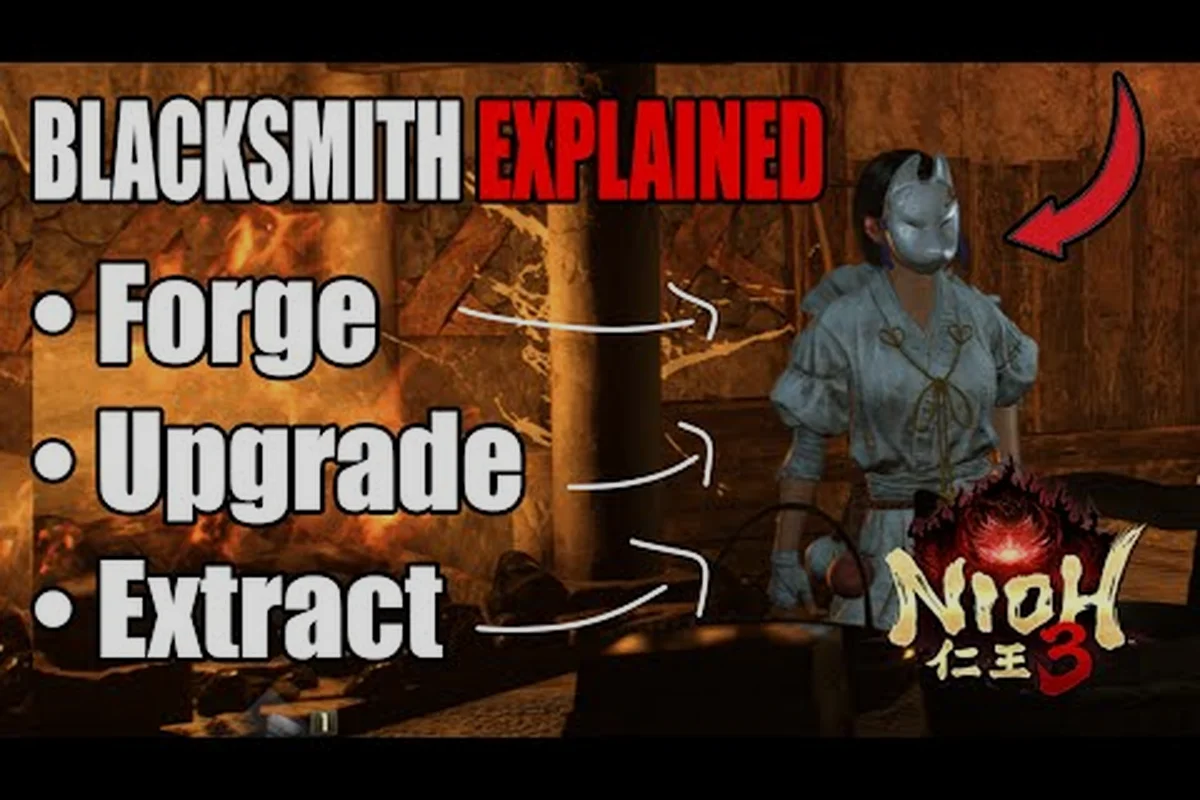
Understanding how to upgrade equipment in Nioh 3 matters because your gear defines your entire build identity, from Samurai heavy-armor stagger resistance to Ninja evasion windows. The blacksmith system is deep, but once you know when to soul match versus dismantle, your progression stops being a gamble. Get the most from every drop, starting now. While you're sorting gear and deciding what to keep or dismantle, don't overlook consumables—your survival between fights often hinges on them, so brush up on the Nioh 3 Elixir Guide to make every heal count before you head back into the blacksmith.
What Unlocks First at the Nioh 3 Blacksmith
The blacksmith does not appear in the first hour, and the nioh 3 blacksmith unlock is tied to story progression rather than a side quest. You will naturally unlock the facility after clearing the second main mission in the First Region, which is consistent across the initial playthrough and New Game cycles. Until then, you are stuck with whatever drops from enemies, so resist the urge to invest heavily in early gear.
Once the blacksmith is open, you will see four core stations: Forge, Soul Match, Temper, and Dismantle. The unlock also triggers a short tutorial prompt that explains the difference between raising a weapon's level and rerolling its special effects. Many players skip this prompt, then wonder why their Rusted Katana is still weak after spending a pile of gold on the wrong option.
| Blacksmith Station | Primary Function | Best Used For | Key Resource Cost |
|---|---|---|---|
| Forge | Create new gear from recipes | Filling build gaps with specific base weapons | Materials + Gold |
| Soul Match | Raise gear level and inherit stats | Keeping favorite gear relevant | Gold + Sacrifice Item |
| Temper | Reroll one special effect slot | Fixing bad rolls on strong gear | Umbracite + Gold |
| Dismantle | Break gear into materials | Cleaning inventory and stockpiling mats | No cost (yields mats) |
The most important lesson at the blacksmith is that soul matching and forging solve different problems. Forging is for creating a fresh base item with a clean effect pool, while soul matching extends the life of an item you already love. If you only learn one station, make it soul matching.
How to Read the Blacksmith Menu Efficiently
The menu organizes everything by item type and equipped status, which means you should always lock your main weapon and armor pieces before doing anything else. Locking an item prevents accidental dismantling or using it as soul match fuel, and it costs nothing to toggle from the item details screen. Once locked, the item appears with a small gold icon in every blacksmith list.
Players report that the biggest early-game mistake is dismantling a high-rarity item that could have been saved for a future Grace set or a late-game build. Community data suggests that gear with fixed special effects or set bonuses should never be treated as disposable, even if its base level is 20 or 30 below your current mission. Lock anything with a green or purple rarity until you understand its effect pool.
Soul Matching Mechanics in Nioh 3
The core of nioh 3 soul matching is simple: you select a base item, then sacrifice a material item of equal or higher level to raise the base item's level. The result is a base item that keeps its original special effects and rarity, but now matches the sacrifice's level. This is how you keep a Divine weapon with perfect rolls relevant for dozens of missions.
However, there are two critical limits that the tutorial glosses over. First, the sacrifice item must have the same weapon category or armor slot as the base item, which means you cannot dump a random axe into your katana. Second, soul matching costs Gold and scales dramatically with level difference, so matching a level 10 item up to level 60 in one jump is far more expensive than doing it in two or three smaller steps.
| Soul Match Scenario | Gold Cost Trend | When to Do It | Community Verdict |
|---|---|---|---|
| Same level, inherit effect | Low | Transfer a desired stat | Always worth it |
| 5–15 level jump | Moderate | Keeping gear through a region | Usually worth it |
| 20+ level jump | High | Only for perfect-roll gear | Rarely worth it early |
| New Game+ plus value transfer | Very high | Extending endgame items | Essential for builds |
The nioh 3 soul matching guide principle that experienced players follow is to match only when the base item has at least two effects you genuinely need. If a weapon has one good roll and two mediocre ones, you are better off tempering it or forging a fresh version instead of burning gold on a level bump. Soul matching is a preservation tool, not a universal upgrade button.
Inheriting Special Effects During Soul Match
The deeper layer of nioh 3 soul matching is effect inheritance, which becomes available once you reach New Game+ and start finding gear with the orange transferable icon on one effect. When a material item has this icon, that specific effect will carry over to the base item during soul matching, replacing one of the base's existing effects. This is the primary way to build min-maxed gear in the late game.
Community reports indicate that inheritance is the single biggest power spike in the equipment system, because it lets you stack effects that normally cannot roll on the same slot. For example, you can move a Ki Damage effect from a hammer onto a fast tonfa, creating a weapon that staggers bosses while still hitting at ninja speed. The cost is steep, but the build payoff is immediate.
Forging and Tempering for Targeted Upgrades
The nioh 3 forge guide starts with understanding that forging is deterministic, not random. Each recipe produces a fixed base item with a known rarity floor and effect pool, which means you can plan around it. If you need a specific Odachi with a natural Fire damage roll, forging that weapon repeatedly will eventually give you the exact base you want.
Forging also unlocks Smithing Texts as you defeat certain bosses and complete side missions. Each text adds a new recipe to the forge, and some of the best build-defining weapons in the game are only available through these recipes. If you are following a specific build guide and cannot find a weapon drop, check whether you are missing its Smithing Text.
Tempering vs. Reforging: Which One Do You Need?
Tempering is the targeted reroll system, and the nioh 3 tempering guide advice is to use it as your primary effect-fixing tool. When you temper an item, you spend Umbracite to see a list of possible replacement effects for one chosen slot, then pick the one you want. This is dramatically better than the old-style reforge system, which rerolled every effect at once and wasted mountains of gold.
The catch is that Umbracite is a limited resource, primarily earned from Twilight Missions and certain daily rewards. Because the resource is scarce, you should temper only when you have a clear target effect in mind, and you should temper the slot that is currently weakest. Blindly tempering a good weapon hoping for a miracle roll is a fast way to burn your entire Umbracite stash.
| Upgrade Method | Control Level | Resource Type | Best Use Case |
|---|---|---|---|
| Soul Matching | Level only | Gold + sacrifice | Keeping favorite gear relevant |
| Forging | Base item + rarity floor | Materials + Gold | Creating build foundation |
| Tempering | One effect slot | Umbracite + Gold | Fixing one bad roll |
| Reforging | All effect slots | Gold + Materials | High-risk reroll (avoid early) |
Tempering works best when combined with soul matching, because you can match a weapon up to your current level, then temper away the one bad effect that has been bothering you. This two-step loop is the backbone of the entire nioh 3 how to upgrade equipment system, and once you internalize it, gear progression becomes a matter of resource management rather than luck.
When Dismantling Beats Selling Every Time
The nioh 3 dismantling guide answer is straightforward: dismantle almost everything you do not plan to soul match or forge with. Selling gear gives you a small amount of gold, but gold is farmable from missions and revenant kills, while crafting materials only come from dismantling. If you sell your trash, you are trading a renewable currency for a non-renewable one.
The exception is Ethereal gear and items with the orange transferable icon, which should always be saved for soul match inheritance rather than dismantled. Community data from long-term players suggests that a full inventory of dismantled materials is the single biggest bottleneck for late-game forging, and players who sold their gear early report having to grind low-level missions just to restock basic materials.
| Item Type | Recommended Action | Reasoning |
|---|---|---|
| White rarity, 20+ levels below | Dismantle | Materials outweigh gold value |
| Yellow rarity, no set bonus | Dismantle or sell | Either works, dismantle preferred |
| Blue rarity, bad effects | Dismantle | Materials for future forging |
| Purple/Green, good effects | Lock and keep | Potential soul match or build piece |
| Any rarity, orange transfer icon | Lock and keep | Inheritance value is high |
The nioh 3 dismantling guide also recommends dismantling at the blacksmith rather than from your inventory, because the blacksmith menu lets you batch-dismantle by rarity and automatically skips locked items. This one habit saves you from accidentally destroying a weapon you were saving for a Grace set or a future soul match project. Check the batch options before you start clicking.
Efficient Upgrade Order for New Game and New Game+
Your nioh 3 how to upgrade equipment priority should change completely between New Game and New Game+. In New Game, gear drops are frequent enough that soul matching is almost always a waste, because you will outlevel anything you upgrade within a few missions. The community consensus, echoed by IGN's first-hours guide, is to hold soul matching until New Game+ and instead focus on dismantling, locking high-rarity pieces, and learning which effects fit your playstyle.
In New Game+, the gear economy flips. Drops stop scaling as quickly, plus values appear on weapons, and your existing gear becomes a long-term investment. This is when you start soul matching aggressively, inheriting effects, and tempering for perfect rolls. The Fextralife beginner guide reinforces this by pointing out that early soul matching drains resources you will desperately need later.
Upgrade Priority Checklist by Stage
Before you spend any resource, run through this checklist to confirm you are using the right station for your current stage:
-
New Game, under level 50 — dismantle all white and yellow gear, lock purple and green pieces with good effects, forge only if a recipe directly upgrades your current weapon.
-
New Game, level 50 to endgame — start tempering one or two core weapons, soul match only when a weapon is 10+ levels behind, and stockpile Umbracite from Twilight Missions.
-
New Game+ — soul match every core piece to current level, inherit transferable effects onto your main weapon, and temper aggressively to fix any remaining weak rolls.
-
Endgame build tuning — forge duplicate base items to fish for better base effects, then soul match plus values and inherit the final effect you need.
The pattern is clear: the deeper you go, the more each station matters, and the more important it becomes to spend resources only on gear you will keep for at least a full region. One final note that ties the whole system together: soul matching is preservation, forging is creation, tempering is correction, and dismantling is investment. Master all four, and you will never feel underpowered again.
Frequently Asked Questions
When does the blacksmith unlock in Nioh 3?
The nioh 3 blacksmith unlock happens automatically after you clear the second main mission in the first region. You do not need to complete a side quest or find a hidden NPC. Once unlocked, all four core stations are immediately available.
Is soul matching worth it before New Game+?
Generally no. In New Game, gear drops are frequent enough that anything you upgrade will be outleveled within a few missions, and community reports confirm that soul matching before New Game+ wastes gold and materials. Hold off until plus values and transferable effects appear.
What is the difference between tempering and reforging?
Tempering lets you reroll one specific effect slot using Umbracite and see replacement options before committing, while reforging rerolls every effect at once with no preview. The nioh 3 tempering guide consensus is that tempering is the safer, more efficient choice in almost every situation.
Should I sell or dismantle old gear?
Dismantle almost everything, because crafting materials are harder to farm than gold and only come from dismantling. The exception is gear with the orange transferable icon, which should be locked and saved for soul match inheritance. Selling is rarely the right call.
How do I increase an item's plus value?
Plus values appear in New Game+ and are increased through soul matching items that already carry a plus value. Matching a +1 weapon into your base +1 weapon creates a +2, and the process continues upward. This is the primary late-game progression loop for maxing out your gear.