
Weapons
All 14 Samurai and Ninja weapons ranked S to C — stat scaling, Ki damage, movesets, requirements and the best starting picks for every playstyle.
Introduction
Nioh 3 ships with fourteen weapon types split between the two combat styles: seven Samurai weapons — Katana, Dual Swords, Spear, Axe, Odachi, Switchglaive and Cestus — and seven Ninja weapons — Ninja Sword, Dual Ninja Swords, Kusarigama, Tonfa, Hatchets, Splitstaff and Talons. Each weapon has its own moveset, stat scaling, Ki damage profile and stance modifiers, which means 'the best weapon' is really 'the best weapon for your stat allocation and playstyle'. Our weapon hub ranks all fourteen with an S-to-C tier list, then breaks each one down: how the moveset flows between stances, which stats to level, how the weapon fights bosses versus crowds, and the easiest builds to start with.
14 Weapons Ranked (Quick Table)
| Tier | Weapon | Style | Best Stat | Key Trait |
|---|---|---|---|---|
| S | Axe | Samurai | Strength | Biggest raw damage and poise break; hits hard enough to ignore status. |
| S | Tonfa | Ninja | Skill | Fast, safe Ki damage with near-infinite combo potential. |
| A | Switchglaive | Samurai | Skill | Adaptive form-change moveset for aggressive play. |
| A | Spear | Samurai | Heart | Reach, Ki-efficient attacks and strong stance mixups. |
| A | Hatchets | Ninja | Skill | Ranged throws plus solid close combat for mid-range control. |
| B | Odachi | Samurai | Strength | Slow but heavy hyper-armor swings for poise builds. |
| B | Kusarigama | Ninja | Skill | Versatile chain moves but requires practice to shine. |
Weapon Profiles
Axe
The poise-breaker's dream — every swing chunks Ki and stuns yokai.
Tonfa
The safest aggressive weapon in the game — nonstop Ki damage with tiny commitment.
Switchglaive
A form-shifting Samurai weapon that adapts its moveset mid-fight.
Spear
Reach and rhythm — the stamina-efficient pick for disciplined players.
Hatchets
Throw first, then finish in melee — the ranged hybrid that controls space.
Odachi
Heavy hyper-armor swings for poise-craving Samurai who love trading.
Kusarigama
The chain weapon with style — great versatility, high skill floor.
Core Mechanics
Every weapon has three stances with separate movesets, a stat-scaling profile (usually two or three stats), and a Ki-damage figure that decides how fast you break enemy guard. Weapons also share universal systems: Weapon Proficiency levels up the weapon, unlocking its skill trees; Samurai Locks buy Martial Arts for that specific weapon; and Soul Matching lets you carry a favorite weapon's level up with materials. The weapon tier list reflects all of this — S-tier picks combine strong base numbers with skills that are easy to use well, while C-tier picks may be perfectly viable but ask too much from the average player.
Advantages
Weapon guides are among the highest-traffic pages on any Nioh wiki — 'Nioh 3 best weapon' and every per-weapon search are constantly searched by players both at launch and during DLC hype. Our hub serves both groups: the tier table answers 'what should I use' in one glance, while the individual profiles answer 'how do I play this weapon' for players who want to invest. Because weapon balance is a community-long debate, the guides naturally win long-tail keywords and build the site's authority. The hub also captures the community's endless ranking debate, which produces fresh discussion every time a patch lands. Because every weapon has its own page, we can own both generic terms like 'best starting weapon' and per-name queries like 'Switchglaive skills' without cannibalizing each other — the tier table feeds readers down to profiles, and the profiles feed readers into build and equipment guides.
Challenges
Weapon rankings are subjective and sensitive to patches. The community has already flagged Switchglaive placement as debatable, and a single balance patch can move a weapon a full tier. We mitigate this by always giving the 'why' behind each rank and labeling rankings as current-community-consensus, but players who see an outdated tier list after a patch may lose trust. Weapon-specific drops and unlock requirements also vary by region, so location data can drift as the wiki grows. The S-to-C framing also invites complaints when a favored weapon drops a tier, so we always explain the 'why' behind a rank and invite discussion in the comments. New players may also treat the tier list as gospel and skip weapons that would actually fit them better, which is why every profile includes a 'who should play this' note.
Frequently Asked Questions
What is the strongest weapon in Nioh 3?+
How many weapon types are there?+
Which weapon scales best with which stat?+
Are C-tier weapons unusable?+
Quick Tips
Set your weapon's skill tree order before leveling stats: unlock the two or three Martial Arts that define your combo first, because those skills change how much Ki and damage you need from your stat spread. Unlocking those two or three key Martial Arts first also tells you which stats your weapon really cares about, because skill requirements and stamina costs reveal the intended stat profile — so your leveling order and your skill order should inform each other, not be chosen separately.
Keep one secondary weapon that covers your primary's weakness — a Spear main wants a fast Ninja offhand for tight corridors, and an Axe main wants a Ki-damage tool like Tonfa for bosses that never stay still. A ranged Ninja offhand like Hatchets also saves you on open-field kiting when your main weapon is too slow for a mob; the cost of carrying a second weapon is just weight, and the flexibility it buys in corridors and boss rooms is almost always worth the small stat investment.
Re-check your weapon's scaling after every major patch — Nioh 3's live balance passes have already shuffled stat priorities, and a single patch can make the stat you were dumping into a dead weight. Patch notes often buff or nerf one scaling stat, and switching your allocation after a rebalance can make a weapon feel brand new — the reverse is also true, so a weapon that felt mediocre at launch can become a hidden gem after its scaling gets fixed in a later update.
Featured
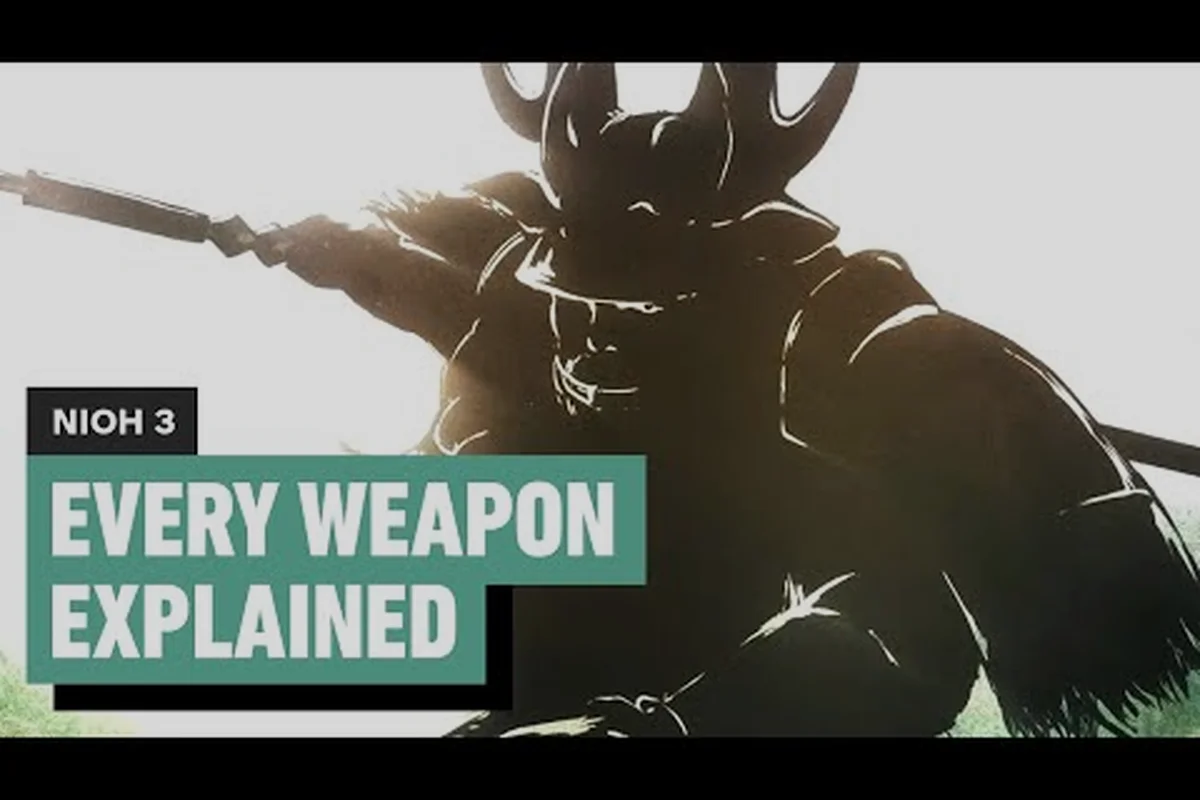
Nioh 3 Weapons List: Every Weapon Type Ranked for Combat
Nioh 3 weapons list covers all 14 weapon types, from katana to splitstaff. Compare movesets and find the best fit for your build and playstyle.

Nioh 3 Axe Best Weapon: Top Melee Choice Pros and Cons
Nioh 3 axe best weapon review assesses raw damage and break potential. Learn why this single weapon dominates guard-breaking and stagger pressure.
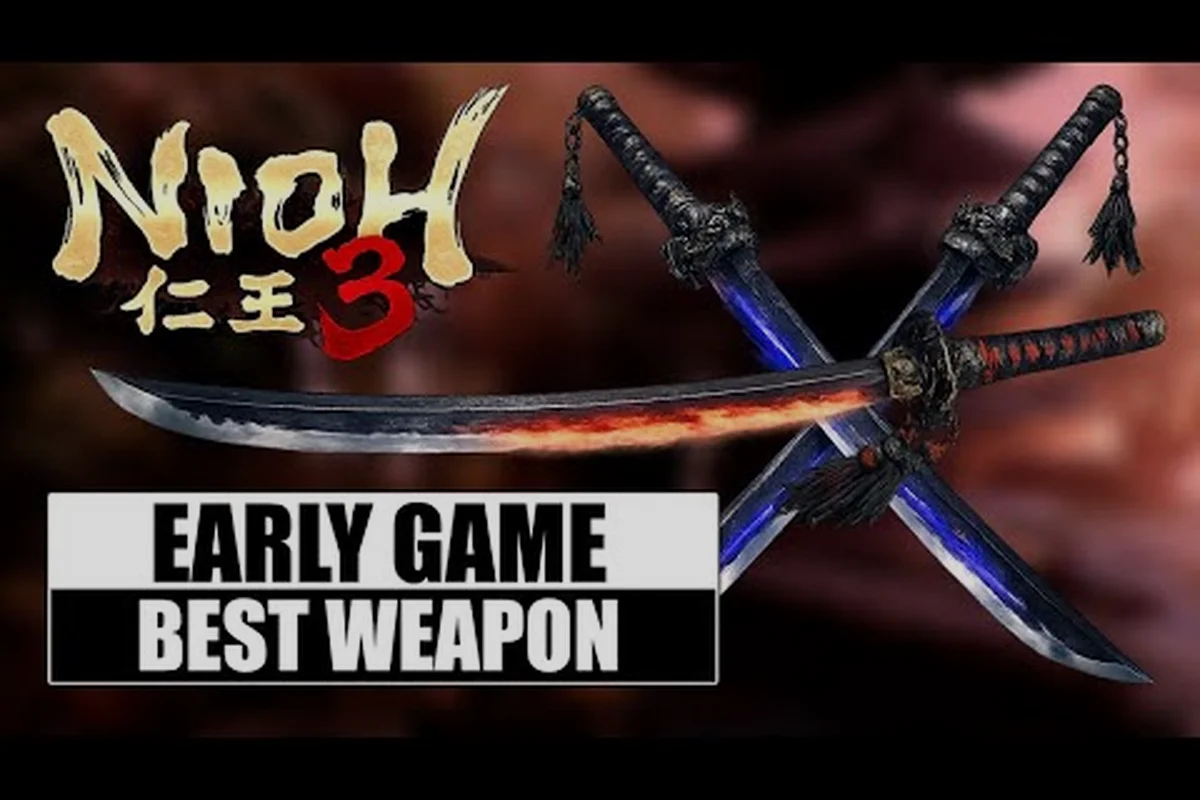
Nioh 3 Best Starting Weapon: Katana, Spear, or Odachi
Nioh 3 best starting weapon for new players depends on playstyle. Compare katana, spear, and odachi movesets before you choose for your first mission.
All Articles

Nioh 3 Weapon Requirements: Stats and Mastery Explained
Nioh 3 weapon requirements include stat minimums and proficiency unlocks. Check this guide before equipping endgame gear and builds for your character.

Nioh 3 Splitstaff Guide: Top Skills and Long Combos
This Nioh 3 splitstaff guide covers extended combos, stance-specific skills, and stat scaling. Learn to unleash high damage with this agile weapon.

Nioh 3 Switchglaive Guide: Combos and Scaling Tips
Nioh 3 switchglaive guide covers stance combos and magic scaling. Master this versatile weapon for high-skill players with these advanced tips.

Nioh 3 Weapon Unlock Guide: Hidden Weapons and Crafting
Nioh 3 weapon unlock methods include crafting, missions, and hidden chests. Learn where to find legendary weapons and expand your arsenal quickly.